Skip to content

Construction

Sheep wool insulation for timber frame, log houses and renovation.

100% sheep wool, with no glue or synthetic binder fibres. Vapour-open, so the construction can dry out through the layer. In stock in Sweden, with an EPD for the insulation and the sheep wool felt.

  • natureplus®
  • CE
  • EPD
  • Stock in Sweden
Visualisation of Green Cube in Vienna: seven storeys with balconies and a green facade
  • μ = 1

    Fully vapour-open, like still air

  • 33%

    Moisture the wool can take up, as a share of its own weight, without losing insulating performance (manufacturer's EPD)

  • 0.034–0.037W/(m·K)

    Thermal conductivity λD per the data sheets, by product

  • Class 0

    Long-term test against mould growth

Applications
Where the wool earns its place

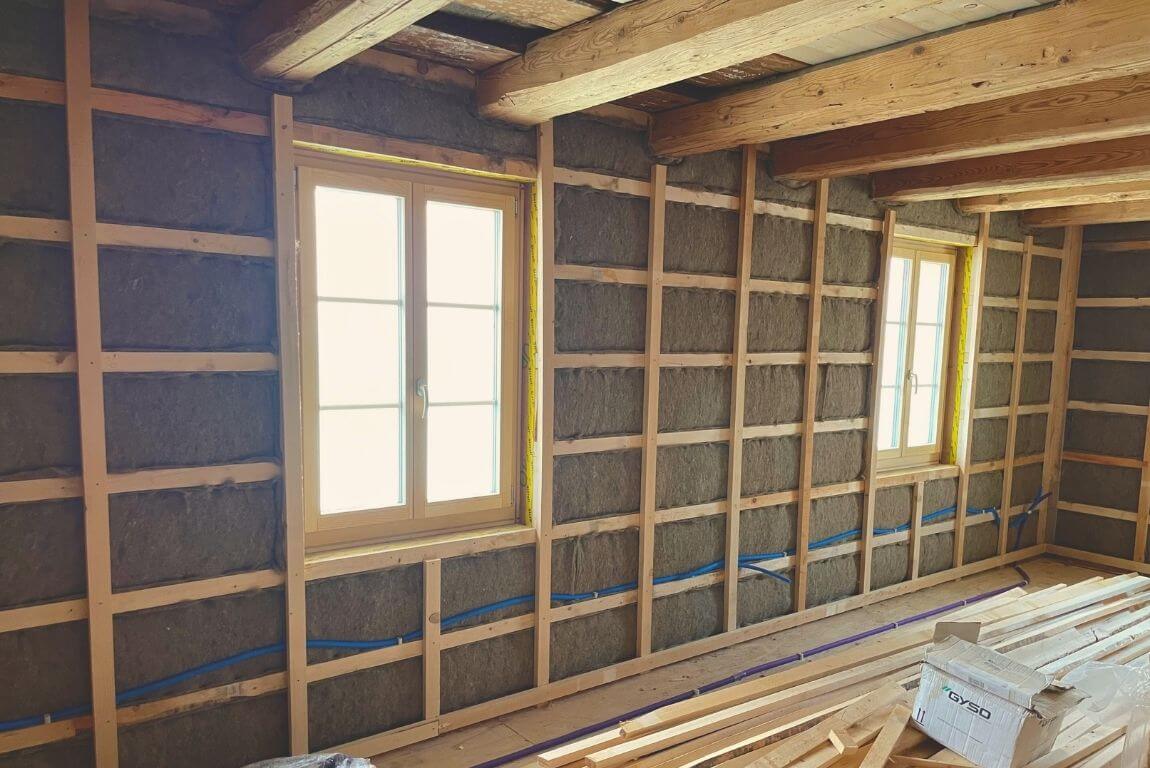
  • Sheep wool insulation between the studs of a timber external wall, with the windows fitted.

    Walls

    Between studs and in the service cavity inside the vapour control layer.
    • Stud frame
    • Service cavity
    • Infill wall
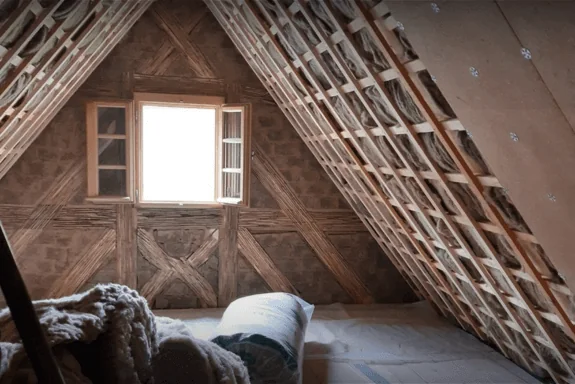
  • Sheep wool insulation fitted between rafters in an attic

    Roofs and lofts

    In pitched roofs between the rafters and on top of the loft floor.
    • Between rafters
    • Loft floor
    • Eaves space
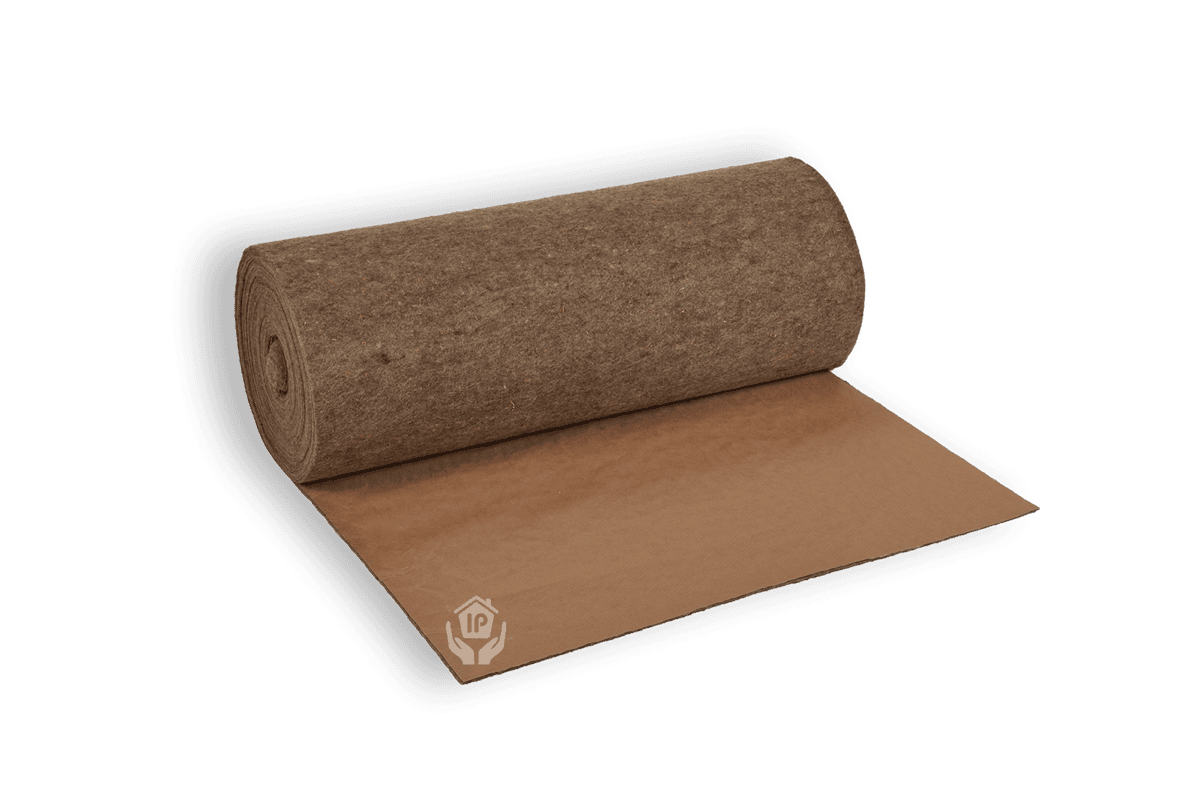
  • Byeco floor underlay: 3.5 mm acoustic underlay

    Floors

    Timber intermediate floors, floors over crawl spaces and thin felt under the flooring.
    • Intermediate floor
    • Crawl space
    • Floor underlay
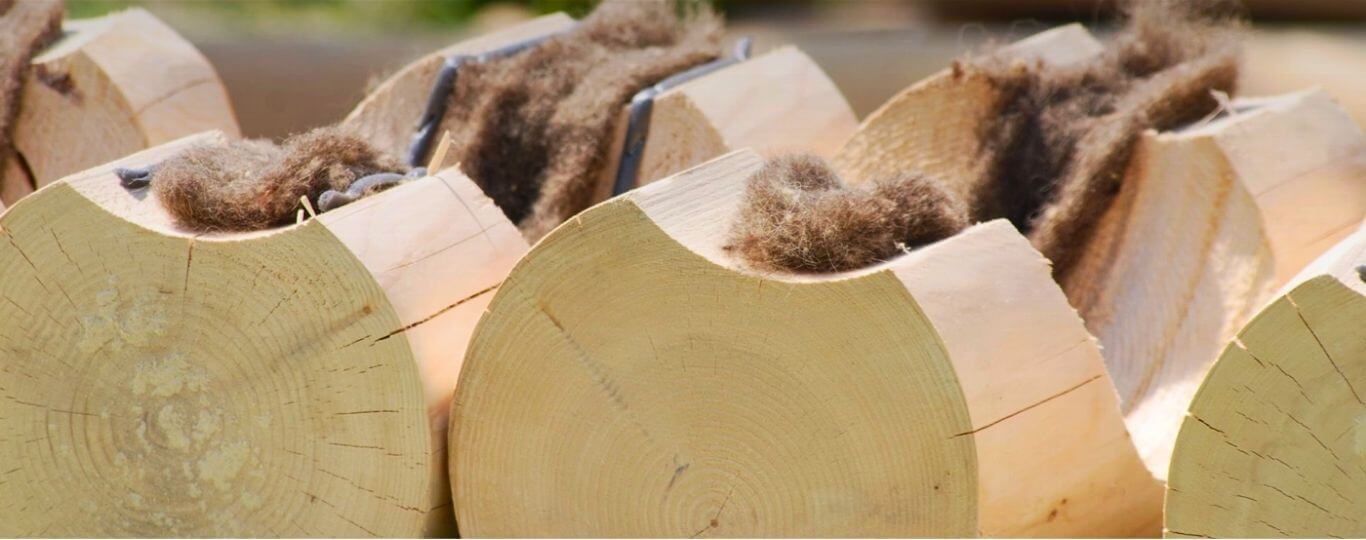
  • End grain of stacked round logs with sheep wool between the courses.

    Log walls

    Joint packing and course insulation in the walls and around window and door frames.
    • Corner joints
    • Course joints
    • Around frames
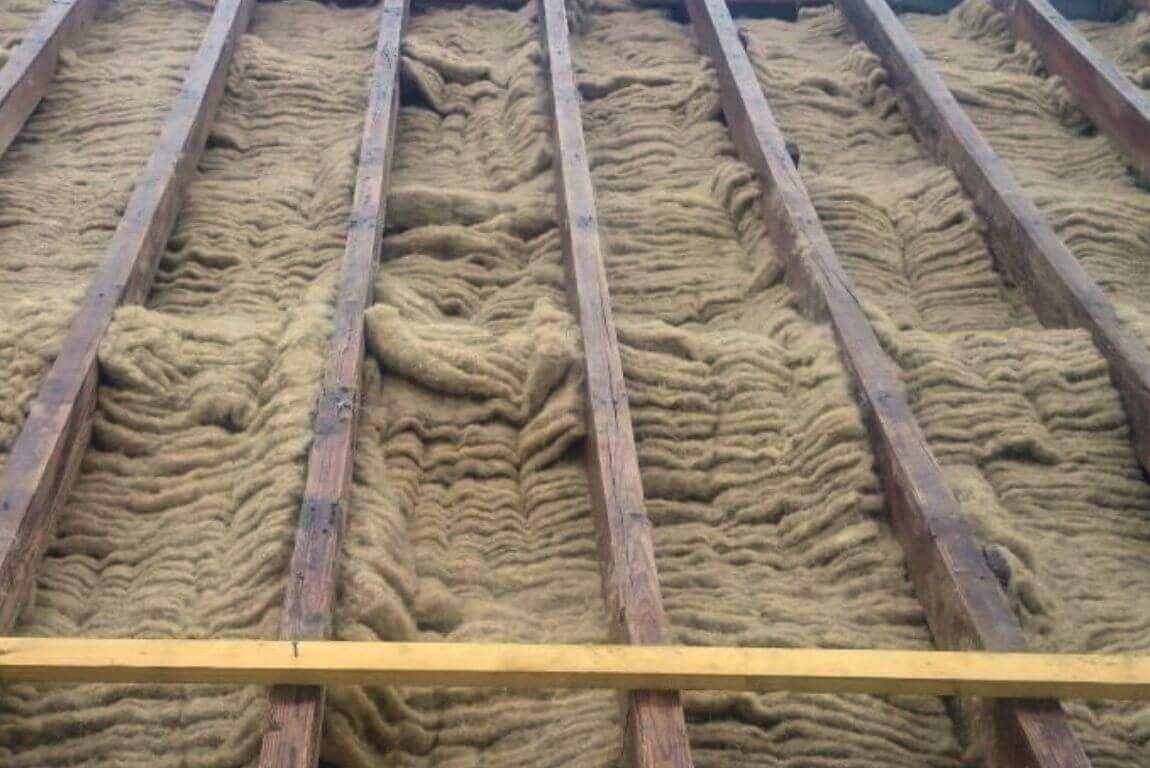
  • Sheep wool between the battens of an old roof under renovation.

    Renovation and conservation

    Insulation added on the inside where the wall has to dry inwards.
    • Older external wall
    • Sloping ceiling
    • Cold loft
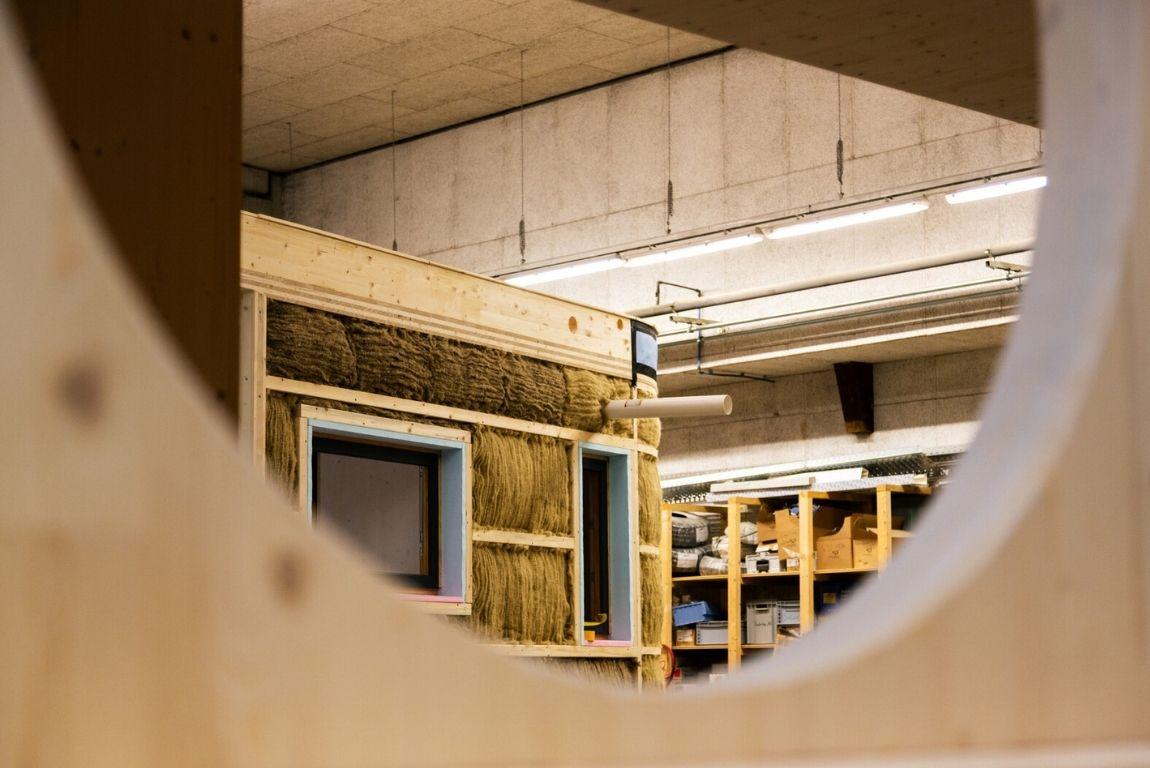
  • Tiny house under construction in a workshop, with sheep wool in the wall.

    Prefab and volumetric

    Insulation built in at the factory and delivered on pallets against call-offs.

    • Panels
    • Volumetric units
    • Pallet call-off

Byeco cuts the sheep wool to the shape and dimensions you want, priced by quotation.

References

6 projects

Sheep wool in a high-rise, timber buildings and a church from the 1830s.

  • Taborama, about the project
    The Taborama residential tower in Vienna, 19 storeys, with cranes in the district around it
    01 / 06Photo: PicMyPlace GmbH

    Vienna, Austria

    Taborama

    Residential tower

    Sheep wool
    29,000m²
    interior, throughout the tower
    Storeys
    19
    213 flats, 60 m
    Architect
    querkraft
    Client
    STRABAG Real Estate

    klimaaktiv · low-energy class A

  • Green Cube, about the project
    Visualisation of Green Cube in Vienna: seven storeys with balconies and a green facade
    02 / 06Visualisation: MHM Architekten

    Vienna, Austria

    Green Cube

    Serviced studios

    Sheep wool
    7,080m²
    in the interior walls
    Byeco Standard ++
    Storeys
    7
    around 319 studios
    Contractor
    Böhm BiB
    Client
    STRABAG Real Estate

    DGNB Gold pre-certification

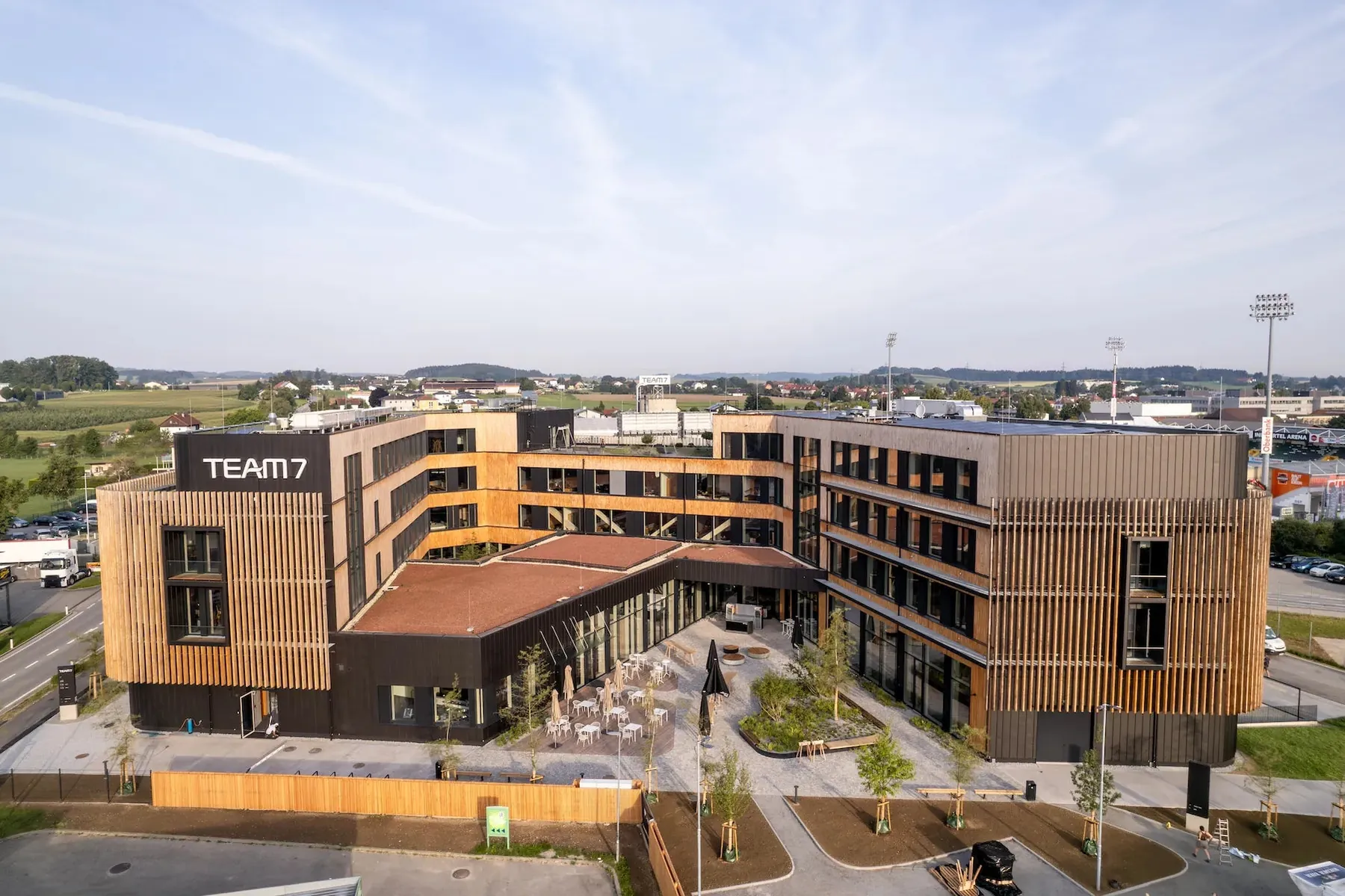
  • TEAM 7 Welt, about the project
    TEAM 7 headquarters in Ried im Innkreis with its courtyard, four storeys in timber
    03 / 06Photo: TEAM 7

    Ried im Innkreis, Austria

    TEAM 7 Welt

    Head office and showroom

    Sheep wool
    Acoustic ceilings and meeting pods
    Byeco Ultra +++++
    Workstations
    180
    four storeys in timber
    Architect
    Architekturbüro Matulik
    Client
    TEAM 7

    Acoustic felt on the restaurant ceiling
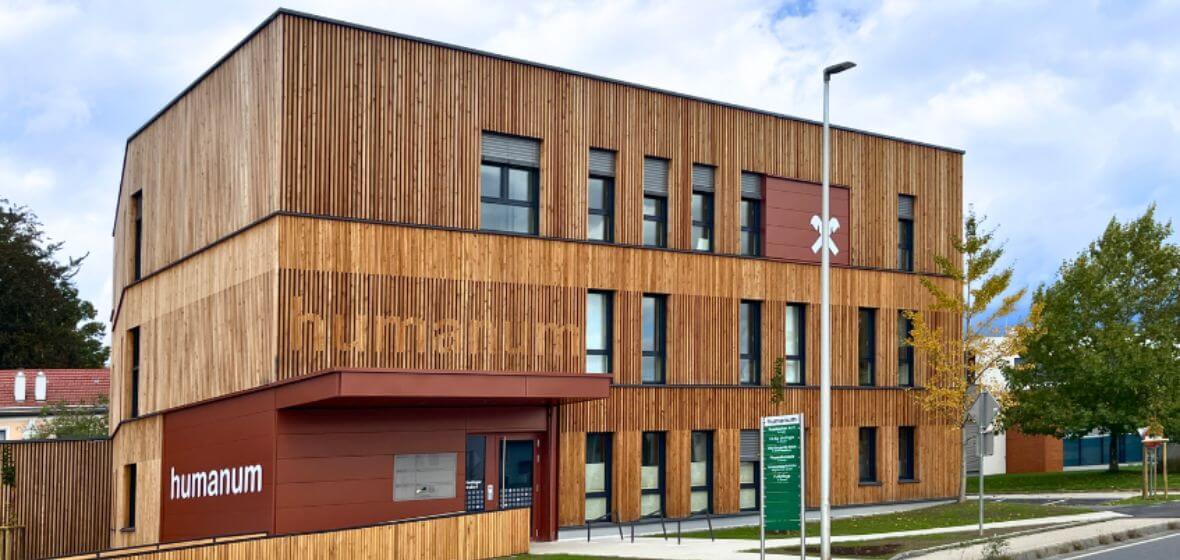
  • Humanum, about the project
    The Humanum medical and therapy centre in Alkoven, with a timber facade
    04 / 06Photo: Raiffeisenbank Region Eferding

    Alkoven, Austria

    Humanum

    Medical and therapy centre

    Sheep wool
    2,000m²
    50 mm, interior
    Byeco Standard ++
    Total area
    820m²
    built in timber
    Architect
    Kraus Georg Architekt
    Client
    Raiffeisenbank Region Eferding

    Opened in October 2024

  • Silo Next, about the project
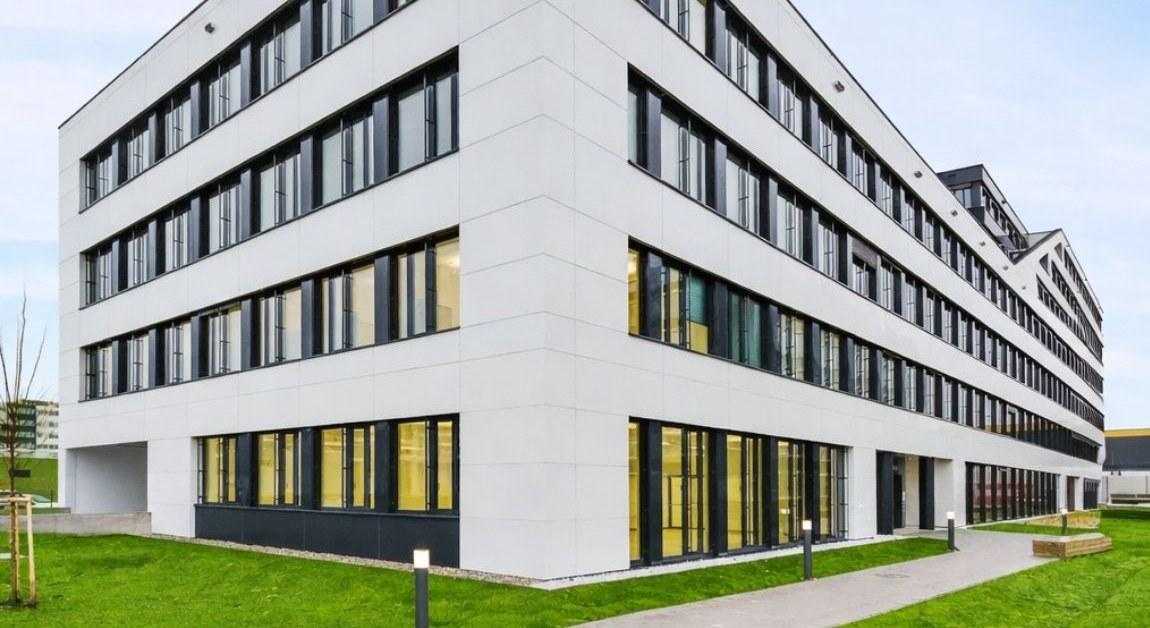
    The Silo Next office building in southern Vienna, light facade with long ribbon windows
    05 / 06Photo: RealAgency

    Vienna, Austria

    Silo Next

    Offices

    Sheep wool
    Interior walls and windows
    Byeco Standard ++
    Phase
    3
    of the Silo Offices complex
    Contractor
    Böhm BiB
    Client
    STRABAG Real Estate

    DGNB Gold according to STRABAG

  • Your project

    38,080m²

    Sheep wool from ISOLENA in Taborama, Green Cube and Humanum

    Planning something on that scale?

    Send us the drawing and we'll work out quantities, pallets and freight.

Building physics

The wall can dry out through the wool.

The wool does not slow drying. That is building physics, not an environmental argument.

  • μ = 1: water vapour passes as easily as through an equally thick layer of air.

  • Takes up moisture up to 33% of its own weight without insulating less well, according to the manufacturer's EPD.

  • In older buildings a vapour-open layer is often a requirement: the wall has to dry inwards.

  • Choosing the material does not replace a moisture risk assessment. The build-up, vapour control and ventilation decide.

The manufacturer publishes no M1 class, only the TVOC limit in the SHI product passport. If the project has emissions requirements, say so in your enquiry.
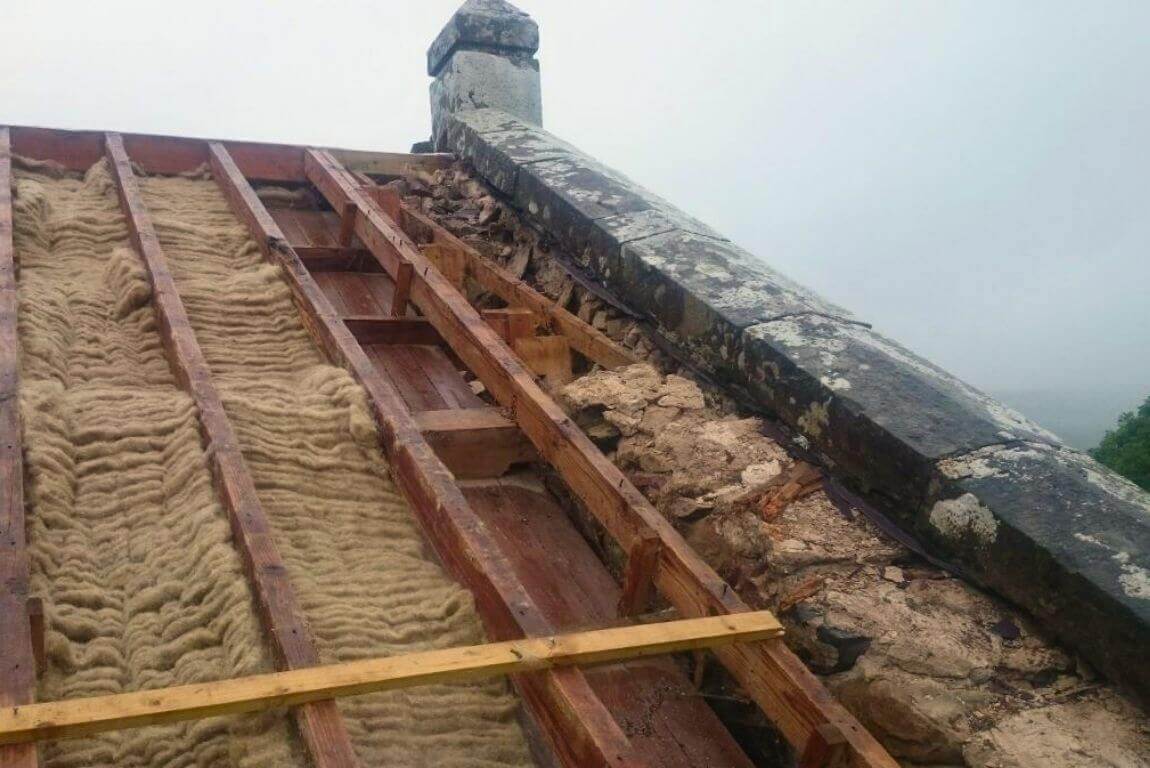
Sheep wool between the rafters of an old roof being re-laid.
The refurbishment of Clonbeg Church in Ireland: sheep wool between the rafters. ISOLENA describes the material as breathable thermal insulation that is particularly gentle on the historic building.

Range

Choose the product by where the layer sits.

Density and λ are stated per product.

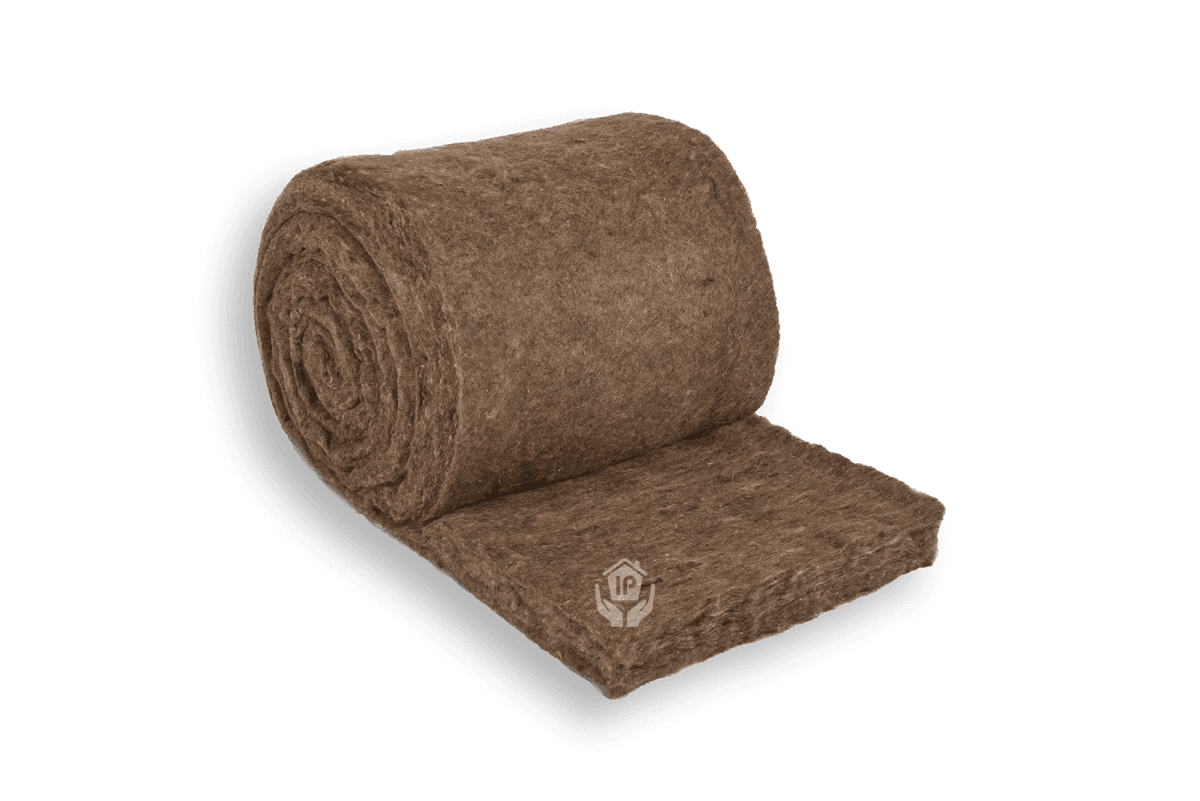
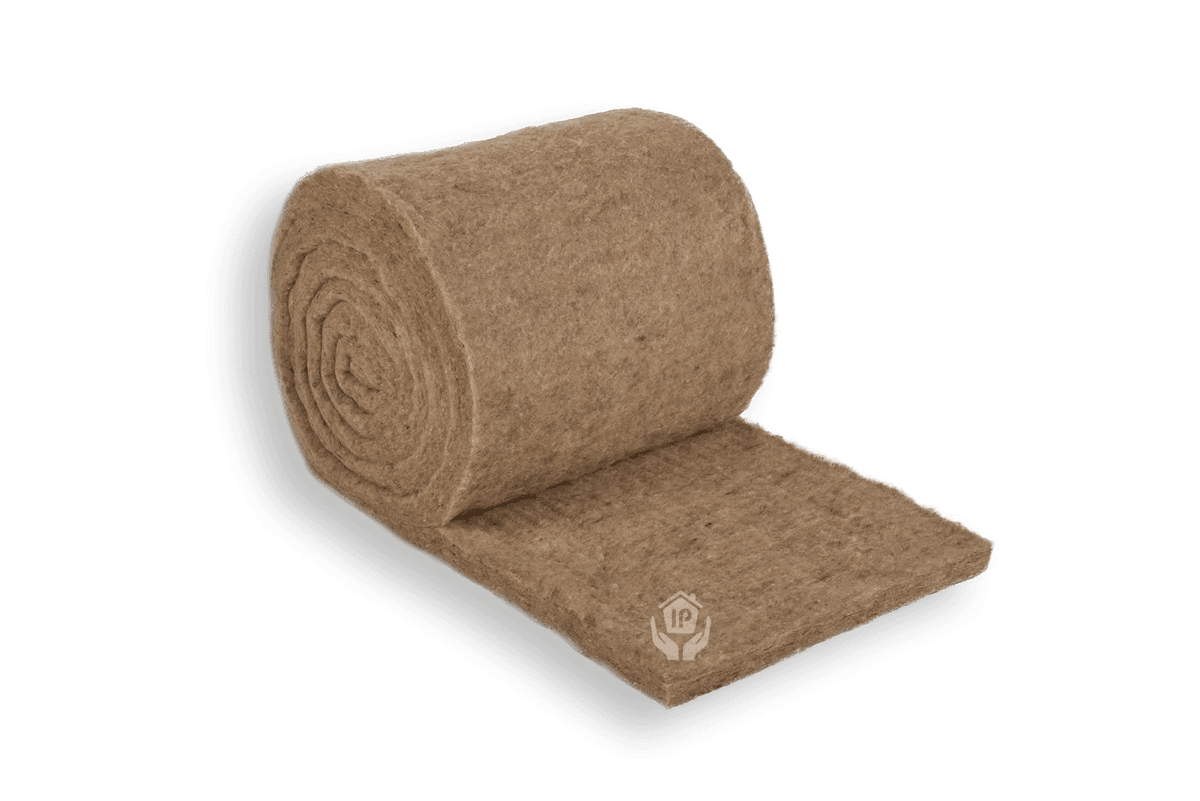
  • Byeco Standard ++: sheep wool insulation roll, 18 kg/m³

    18–20kg/m³

    Between studs and rafters

    External wall, roof and floor bays.

    λD 0.034–0.037 W/(m·K) per the data sheets
  • Byeco Ultra +++++: sheep wool insulation roll, 30 kg/m³

    22–30kg/m³

    In partition walls and ceilings

    Where sound has to stop between rooms.

    λtr 0.033–0.035 W/(m·K), measured per the data sheets
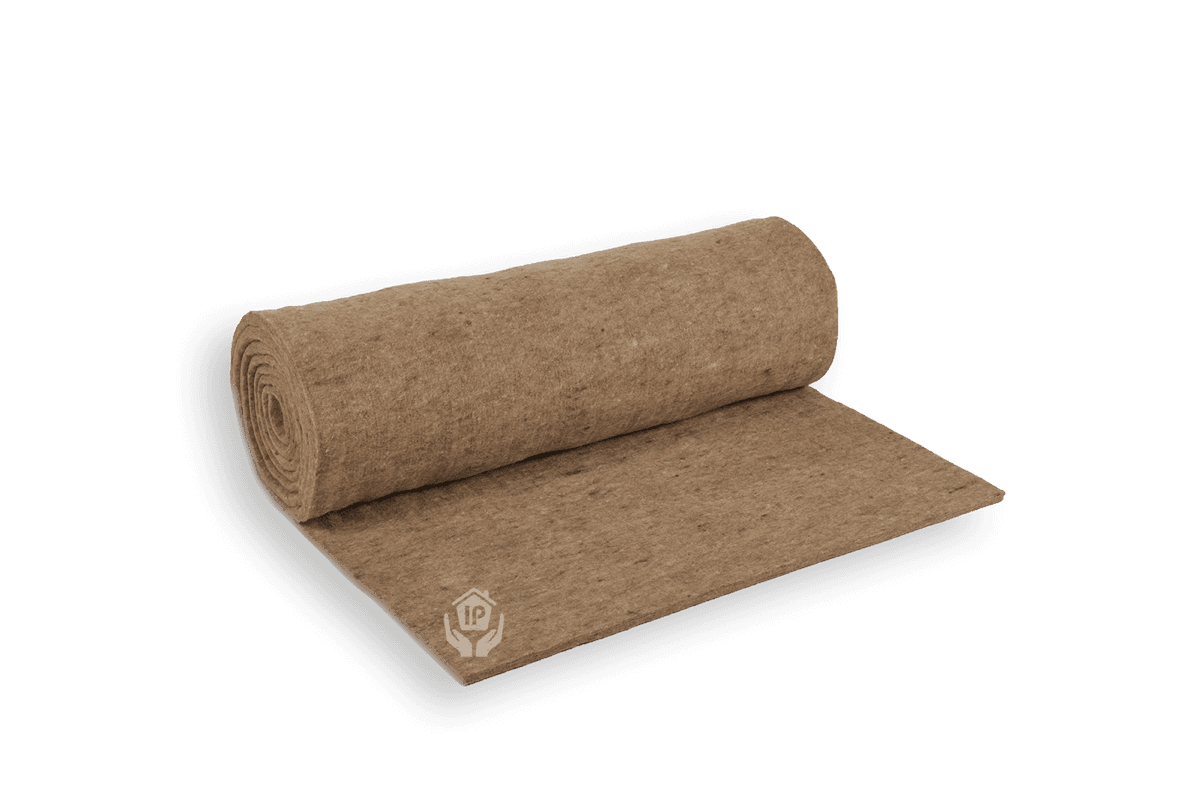
  • Byeco wool felt: 9 mm acoustic felt, 100 kg/m³

    100kg/m³

    Thin layers under floors

    Floor underlay and damping layers where height is tight.

Every product in one table
  • Byeco Standard ++

    Density (kg/m³)
    18
    λ per data sheet (W/(m·K))
    0.037
    Fire class
    D-s2, d0
    Thicknesses (mm)
    30 · 40 · 50 · 60 · 80 · 100 · 120 · 140
  • Byeco Plus +++

    Density (kg/m³)
    20
    λ per data sheet (W/(m·K))
    0.034
    Fire class
    D-s2, d0
    Thicknesses (mm)
    150 · 160 · 180 · 200 · 240 · 260 · 280 · 300
  • Byeco Pro ++++

    Density (kg/m³)
    22
    λ per data sheet (W/(m·K))
    0.035 (λtr)
    Fire class
    D-s2, d0
    Thicknesses (mm)
    30 · 60
  • Byeco Ultra +++++

    Density (kg/m³)
    30
    λ per data sheet (W/(m·K))
    0.033 (λtr)
    Fire class
    D-s2, d0
    Thicknesses (mm)
    30 · 40 · 50 · 60 · 80
  • Byeco Sheep Wool Felt

    Density (kg/m³)
    100
    λ per data sheet (W/(m·K))
    Not stated
    Fire class
    C-s2, d0
    Thicknesses (mm)
    9
  • Byeco Floor Underlay

    Density (kg/m³)
    100
    λ per data sheet (W/(m·K))
    Not stated
    Fire class
    C-s2, d0
    Thicknesses (mm)
    3.5
The manufacturer's values per product in the construction range.
ProductDensity (kg/m³)λ per data sheet (W/(m·K))Fire classThicknesses (mm)
Byeco Standard ++180.037D-s2, d030 · 40 · 50 · 60 · 80 · 100 · 120 · 140
Byeco Plus +++200.034D-s2, d0150 · 160 · 180 · 200 · 240 · 260 · 280 · 300
Byeco Pro ++++220.035 (λtr)D-s2, d030 · 60
Byeco Ultra +++++300.033 (λtr)D-s2, d030 · 40 · 50 · 60 · 80
Byeco Sheep Wool Felt100Not statedC-s2, d09
Byeco Floor Underlay100Not statedC-s2, d03.5

λ from the manufacturer's data sheets. Values marked λtr are measured. Calculate U-values with λD to ETA-07/0214 for the product actually specified.

Fire class, EN 13501-1

  • InsulationD-s2, d0
  • Felt and stripsC-s2, d0

No product in the range is non-combustible. If the project demands a higher class, wool is the wrong material.

Ionic Protect®

The long-term test to EAD is published. How the treatment works and how long it lasts is for the manufacturer to describe, not us.

Declaration of Performance (DoP)

Architects and inspectors ask for the DoP, not the data sheet.

Compare materials

Sheep wool next to what you use today.

Same function, same basis. Pick a material and see the difference.

  • 64%lower fossil climate impact per m² at R = 1 than a stone wool batt, calculated with the data sheet's λD source 1,3,9
  • Noglue, binder or synthetic support fibres in the wool source 1
  • Nodust mask or protective clothing for installation, according to the wool's EPD; shorter fibres can come loose at cut edges. For glass wool, stone wool and wood fibre, the manufacturers specify respiratory protection in some conditions source 1,8,10,12

Climate impact of productionkg CO₂e per m² at R = 1, fossil A1–A3

All 9 materials. Pick one to compare it with sheep wool.

  1. with the data sheet's λD; 0.63 with the ETA's
  2. No EPD to EN 15804+A2

Range between two products

Byeco
Mineral wool
Bio-based
Sheep wool
Byeco Plus +++ · 20 kg/m³
Batt made in Sweden
Two batts

Climate impact of productionkg CO₂e per m² at R = 1, fossil A1–A3

Lower is better

Sheep wool: 0.49 source 1,3with the data sheet's λD; 0.63 with the ETA's
Stone wool: 1.37 source 9Sheep wool is 64% lower
Hemp: 1.28–1.94 source 17,19Sheep wool is 61–75% lower

Performance

Thermal conductivity λDW/(m·K)

Lower is better

Sheep wool: 0.034 source 2,3per the data sheet; the ETA gives 0.043
Stone wool: 0.036 source 9
Hemp: 0.040–0.043 source 18,19

Thickness at R = 5mm

Lower is better

Sheep wool: 170 source 2,3with the data sheet's λD; 215 mm with the ETA's
Stone wool: 180 source 9
Hemp: 200–215 source 18,19

Weight at R = 1kg per m²

Sheep wool: 0.68 source 2,3with the data sheet's λD; 0.86 with the ETA's
Stone wool: 1.06 source 9
Hemp: 1.44–1.85 source 17,19

Material

Bio-based raw material% by weight

Sheep wool: 100% source 1sheep wool
Stone wool: 0% source 9stone
Hemp: At least 85% source 17,19hemp, one of the batts with jute

Additives

Sheep wool: No glue source 1,5No support fibres. The wool is treated against moths (Ionic Protect®)
Stone wool: Binder source 9phenol-formaldehyde-urea under 2%, dust-binding mineral oil under 1%
Hemp: Support fibre source 17,19of PLA or polyester, and soda as fire retardant

Indoor environment

Formaldehyde

Sheep wool: Binds formal­dehyde source 1,3368–69% lower level in a chamber test; no formaldehyde resin
Stone wool: Formal­dehyde resin source 9phenol-formaldehyde-urea in the binder, under 2%
Hemp: No formaldehyde resin source 17,19

In use

Cutting

Sheep wool: By hand source 1cut to length without tools
Stone wool: Knife source 10wide-blade stone wool knife
Hemp: Knife or hand saw source 30insulation knife or serrated hand saw

Protection when installing

Sheep wool: No mask source 1No protective clothing or dust mask; shorter fibres can come loose at cut edges
Stone wool: Respirator source 10in unventilated spaces. Protective clothing and gloves
Hemp: not stated in the source

Moisture

Sheep wool: 33% source 1of its own weight can be absorbed without losing insulating performance
Stone wool: Keeps insulating performance and dimensions in different moisture conditions, according to the manufacturer source 9
Hemp: Must be protected against precipitation and wetting, according to one of the manufacturers source 18

Fire

Fire classEN 13501-1

Sheep wool: D-s2, d0 source 2,4per classification report · E per ETA
Stone wool: A1 source 9non-combustible
Hemp: E source 18,19both products

In a fire

Sheep wool: Chars source 2,4,31does not melt, no flaming droplets; smouldering not assessed
Stone wool: Does not ignite source 9,28melts only above 1,000 °C per the manufacturer
Hemp: Chars source 18,32smouldering not declared

Per m² at R = 1, blown cellulose has a lower fossil climate impact than the wool, glass wool is level and lighter, and mineral wool has a higher fire class. The wool is 64% below the stone wool and below wood fibre, hemp, cork and recycled cotton, and it insulates with the thinnest layer, calculated with the data sheet's λD 0.034. With the ETA's 0.043 it takes 215 mm. The reasons to choose wool are moisture, the fact that it is pure wool, and installation.

How we calculated · 33 sources

Per m² at R = 1 m²K/W, the industry's functional unit; the weight is density × λD × R. The wool is Byeco Plus +++: 20 kg/m³ × λD 0.034 = 0.68 kg per m². λD 0.034 is the data sheet's 90/90 value; ETA-07/0214 gives 0.043 for the same grade and the declaration of performance the test value 0.035. With the ETA's λD, Byeco Standard ++ 0.56, Byeco Plus +++ 0.63, Byeco Pro ++++ 0.69 and Byeco Ultra +++++ 0.79 kg CO₂e per m². R = 5 corresponds to a typical external wall. The declarations come from different programmes and were not produced for direct comparison. Transport to site (A4) is not included; according to the wool's EPD it adds about 31% of A1–A3 at 403 km, and the route to the Nordics is longer. The EPD splits the impact of sheep farming by price (economic allocation), which leaves the wool with 0.023% of it. Flax is shown without a climate figure: no maker of flax insulation has published an EPD to EN 15804+A2 (searched on 15 November 2026 in INIES, IBU, Bau-EPD, EPD Hub, EPD Norge, Environdec and ÖKOBAUDAT). Flax's λ is the makers' λ10 and conductivity group, not λD. Sources checked on 4 and 7 October and 15 November 2026.

  1. BAU-EPD-Isolena-2025-1-Ecoinvent. ISOLENA sheep wool. EN 15804+A2, Tabelle 12: 16.9 kg CO₂e per m³ at 23.26 kg/m³ = 0.727 kg per kg, GWP-fossil A1–A3, scaled by product density as section 6 allows. Composition section 2.1, moisture sections 2.1 and 2.11 (a description, not a tested property), installation without protective clothing or dust mask; shorter fibres can come loose at cut edges. A4 5.25 kg CO₂e per m³ at 403 km. Economic allocation: 0.023% of sheep farming. Valid to 2030-05-12.
  2. ETA-07/0214. OIB 2017-11-17. §3.5.1 λD(23,50): ISOLENA Optimal (Byeco Standard ++), Premium (Byeco Plus +++) and Optimal Plus (Byeco Pro ++++) 0.043, Klemmfilz (Byeco Ultra +++++) 0.036. §3.4.2: Klemmfilz αw 0.85 and Optimal αw 0.75 at 50 mm, mounting A. The ETA states no absorption class; the classes in the table are Byeco's classification to EN ISO 11654. Fire class E.
  3. ISOLENA Premium, data sheet 2026-02-25. The manufacturer's data sheet for Premium (Byeco Plus +++), version 25.02.2026: λD 0.034 W/(m·K) as a 90/90 value (λ90/90 0.03397), 20 kg/m³. ETA-07/0214 gives λD 0.043 for Premium, and the declaration of performance LE/Nr. 003/PRE gives the test value 0.035.
  4. B24219. Classification report from Holzforschung München (TU München), 2024-10-25, valid to 2029-10-25: ISOLENA sheep wool insulation D-s2, d0 at 27–33 mm and 18–31 kg/m³. Covers Byeco Plus +++ (20 kg/m³).
  5. ISOLENA, Ionic Protect. Manufacturer's statement: the wool is treated against moths, the treatment is biocide-free and the long-term test to the EAD is published.
  6. EPD-IES-0026646:003. Glass wool batt for stud walls, λD 0.037. 0.481 kg CO₂e per m² at R = 1 (37 mm, 15.6 kg/m³, 0.58 kg), GWP-fossil A1–A3. Binder 1–10%, other additives 1–5%, 50–60% recycled glass. Valid to 2031-01-13.
  7. NEPD-11644-11594. Glass wool batt, λD 0.035. 0.522 kg CO₂e per m² at R = 1 (35 mm, 17 kg/m³), GWP-fossil A1–A3. Binder 5–10%, 60–70% recycled glass. Valid to 2030-07-08. Passes the French VOC regulation class A+ and AgBB according to the EPD.
  8. Glass wool safety data sheet 2024-08-14. Section 3: phenol-formaldehyde resin binder (Bakelite, CAS 25104-55-6), under 10%. Section 8: gloves and eye protection, P2 respirator where ventilation is inadequate. Section 10: the binder decomposes the first time it is heated above 150 °C.
  9. NEPD-4340-3565-EN. Stone wool batt made in Sweden. 1.37 kg CO₂e per m² at R = 1 (λD 0.036, 1.06 kg), GWP-fossil A1–A3. Phenol-formaldehyde-urea binder under 2%, dust-binding mineral oil under 1%. “Keeps its energy-saving abilities and dimensions in different temperature and moisture conditions.” Valid to 2028-04-05.
  10. Stone wool, handling and storage instructions 2025-03-07. Protective clothing and gloves, respiratory protection in unventilated spaces. Cut with a wide-blade stone wool knife.
  11. NEPD-11234-11178. Wood fibre insulation. 0.512 kg CO₂e per m² at R = 1 (38 mm, 1.90 kg), GWP-fossil A1–A3. Wood 88%, ammonium salts 6.8%, PE/PP support fibre 4.9%. Hygroscopic: takes up and releases moisture with the humidity of the air. λD 0.038 and fire class E per declaration of performance 01-06-01. Valid to 2030-05-27.
  12. Wood fibre insulation, handbook 2024. Cut with an insulation saw or a knife against a cutting board; circular, mitre and sabre saws also work. Safety glasses and respiratory protection for prolonged work.
  13. SHR 23.0053. Flexible wood fibre batt, λD 0.036, EPD in the Dutch NMD database. 1.83 kg CO₂e per m² at R = 1 (36 mm, 50 kg/m³), GWP-fossil A1–A3. 86.5% wood, 9.5% additives, including support fibre (BiCo). Fire class E. Valid to 2029-10-10.
  14. Flexible wood fibre batt, technical data sheet. Raw materials: wood fibre, polyolefin fibre and ammonium sulphate. Cut with an insulation knife, sabre saw, jigsaw or electric cutter; cutting raises dust.
  15. S-P-08311. Blown cellulose insulation. 0.134 kg CO₂e per kg, GWP-fossil A1–A3; vertical cavities 55 kg/m³, λD 0.038 = 2.09 kg per m² at R = 1 (2.47 kg at 65 kg/m³). Around 10% additives, boric acid over 0.1%. Fire class B-s2, d0 from 100 mm per the declaration of performance. Valid to 2028-07-04.
  16. ECHA, boric acid (CAS 10043-35-3). Toxic for reproduction category 1B (H360FD) under CLP Annex VI. On the Candidate List of substances of very high concern (SVHC) since 2010-06-18.
  17. EPD-KSI-20250272-CBA1-EN. Hemp batt, IBU, EN 15804+A2. Declared unit 1 m² at 43 mm, RD = 1.00 m²K/W (1.85 kg): GWP-fossil A1–A3 1.94 kg CO₂e. Hemp fibre 85–95%, PLA support fibre and soda as fire retardant. λD 0.043, 35–48 kg/m³. Valid to 2030-05-14.
  18. ETA-23/0832. DIBt 2025-05-06, hemp batts with and without jute. λD(23,50) 0.043, fire class E. The product must be protected against precipitation, wetting and weathering during transport, storage, installation and in the finished construction.
  19. BAU-EPD-Hempflax-2022-1-GaBi. Hemp batt with jute, Bau EPD, EN 15804+A2. Table 10: GWP-fossil A1–A3 32.1 kg CO₂e per m³ at 36 kg/m³; with λD 0.040 (table 1) that is 1.44 kg and 1.28 kg CO₂e per m² at R = 1. Hemp 66%, jute from recycled sacks 22%, polyester support fibre 8%, soda 4% (table 2). Fire class E. Valid to 2027-11-11.
  20. EPD HUB-0281. Expanded insulation corkboard (ICB), EPD Hub, EN 15804+A2. GWP-fossil A1–A3 82.8 kg CO₂e per m³ at 115 kg/m³ (A1 6.61, A2 5.93, A3 70.2); with λD 0.040 that is 4.60 kg and 3.31 kg CO₂e per m² at R = 1. Cork only: the granules are expanded with steam and bound by the cork's own resin, with no added adhesive. Valid to 2028-02-13. The link goes to a published copy of the EPD. Indoor emissions class A+ to ISO 16000.
  21. Corkboard, TDS CTP-465/002 and ACERMI 03/049/270/22. Technical data sheet May 2026: rigid boards, 1,000 × 500 mm; fire class E to EN 13501-1, water absorption WS under 0.5 kg/m² to EN 1609. ACERMI certificate: λD 0.040 W/(m·K), Euroclass E.
  22. INIES 20231035334. Recycled textile insulation, FDES to NF EN 15804+A2. 1 m² at R = 2.55 (100 mm, 2.00 kg): fossil GWP in production (A1–A3) 2.50 kg CO₂e, i.e. 0.98 kg per m² at R = 1 (0.78 kg). Recycled textile fibres 85% and virgin polyester 15%; 10% fire retardant and 0.8% biocide. λD 0.039 (also ACERMI 14/179/918/9). Sources give different fire classes, so none is shown. Valid to December 2028.
  23. Recycled cotton, installation guide 2014. Cut with an insulation knife with a smooth or slightly wavy blade, or with an angle grinder; sometimes by hand.
  24. Flax insulation, brochure 2022. λ 0.038 W/(m·K) to EN 12667 (λ10), not λD. Fire class C-s2, d0 in an SBI test; conditions not stated. Treated with a fire retardant; the substance is not stated. Density is not published.
  25. Flax insulation, installation guide 2022. Cut with a special knife or an insulation saw. Must be stored dry, installed dry and kept dry after installation.
  26. Flax insulation, retailer product sheet. λ10 0.038 W/(m·K) and conductivity group 040, no λD. Cut with an angle grinder with a metal disc or a toothless special hand saw. Gloves and safety glasses. Must be kept dry and protected from moisture.
  27. Glass wool, installation guide 2015. Cut with an insulation knife against a straightedge, always 5 mm oversize.
  28. Stone wool, manufacturer's website. Manufacturer's statement: the stone wool does not melt below 1,000 °C.
  29. Cellulose, handbook. Blown into walls by authorised contractors; the machine needs a truck within about 10 m and 3 × 16 A power.
  30. Hemp batt, installation guidelines. Cut with an insulation knife or a serrated hand saw; circular and sabre saws are not recommended. FFP2 mask and cut-resistant gloves are recommended.
  31. IWTO, Wool & Fire (2020). Fibre table (CSIRO): wool has a limiting oxygen index (LOI) of 25.2%, ignites at 570–600 °C and does not melt; polyester melts at 252–292 °C. Applies to the fibre, not a finished product.
  32. Brandforsk 2024:3. Bio-based building materials, a review of their fire properties. Wood and bio-based insulation such as hemp char instead of melting; knowledge of how smouldering and extinguishing behave in these materials is limited.
  33. Hegyi et al., Materials 14(9):2443, 2021. Ventilated 119 l test chamber, 0.5 air changes per hour, 23 °C and 50% RH, with formaldehyde supplied continuously. With a 44 mm wool mat in the chamber (90% sheep wool and 10% support fibre, 30.8 kg/m³, another manufacturer's), the level was 24, 32 and 34 µg/m³ on days 1, 3 and 7, against 74–110 µg/m³ in the supplied air: 68–69% lower. After a day without supply, about 13% of what had been taken up was released again; the rest is judged to be chemically bound.

Climate

How the climate figure is made up.

The figures cover A1–A3 per kilogram of material, from the EPD. We show both uptake and emission, or the net cannot be checked.

−1.565kg CO₂e/kg

Biogenic uptake, carbon bound in the fibre

+0.727kg CO₂e/kg

Fossil climate impact in A1–A3

−0.83kg CO₂e/kg

Net A1–A3 incl. biogenic carbon, product stage only

BAU-EPD-Isolena-2025-1-Ecoinvent

The carbon in the fibre is released again at end of life, on incineration (module C3). Over the life cycle A1–C4 the net is +1.12 kg CO₂e/kg. A Swedish climate declaration for buildings leaves out biogenic carbon, which gives about +0.73 kg CO₂e/kg for A1–A3. That is why we do not call the wool climate negative.

Declaration
BAU-EPD-Isolena-2025-1-Ecoinvent
Standard
EN 15804+A2
Valid to
2030-05-12
Reference service life
50 years (default value)

Buying

Standard products in the shop, projects by quotation.

Byeco Standard ++: sheep wool insulation roll, 18 kg/m³

The shop

Rolls, batts and accessories in standard sizes. Ordering, payment and shipping are handled in the shop.
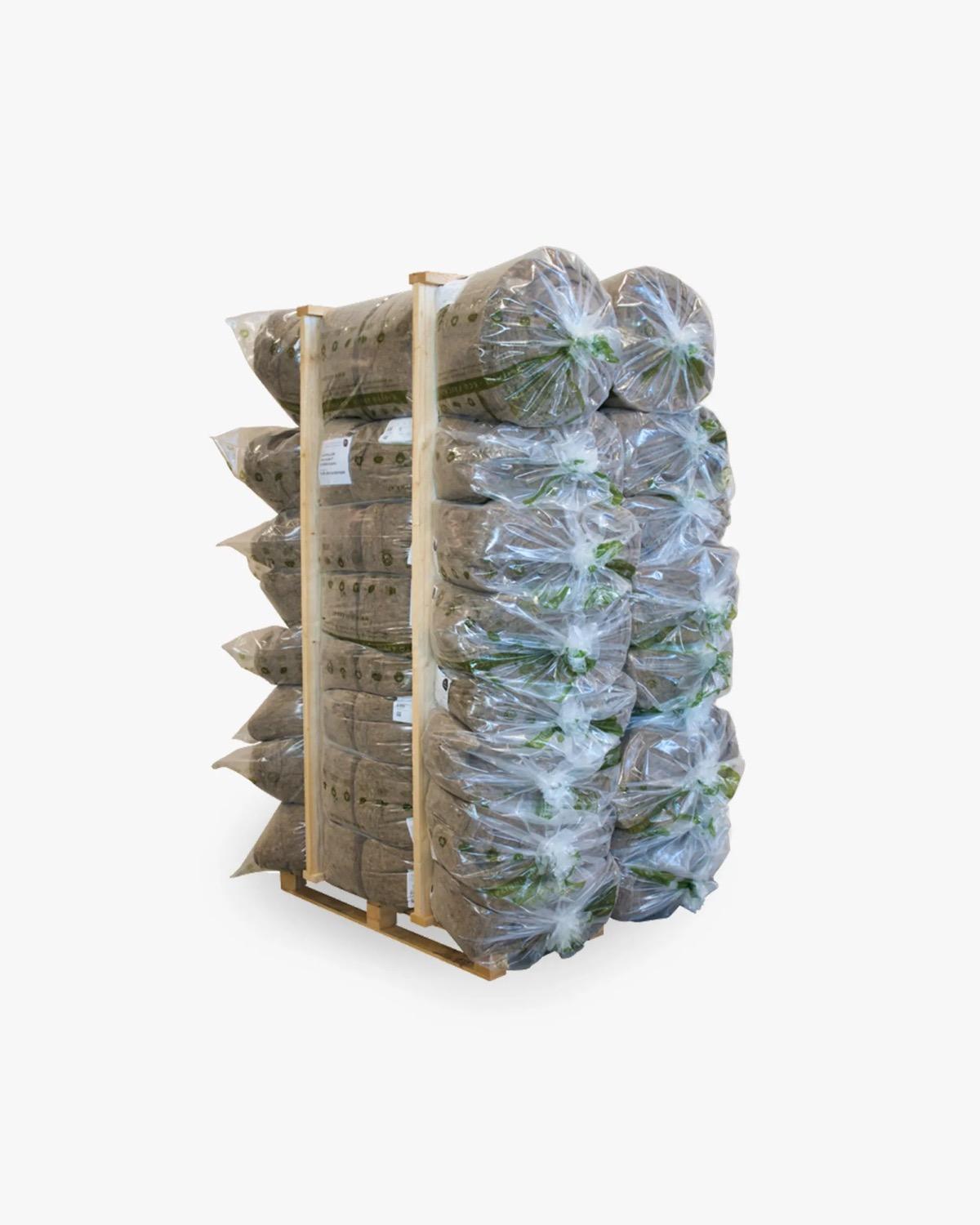
Full pallet of sheep wool insulation, wrapped for delivery

Quotation

Larger volumes, repeat call-offs and projects with a delivery plan.

Questions and answers

What builders ask about sheep wool

What thickness of sheep wool is needed for a given U-value?

The thickness follows from the sheep wool's λ: thermal resistance R is thickness divided by λ, so Byeco Plus +++ at 300 mm gives R = 8.8 m²·K/W for the insulation layer with λD 0.034 W/(m·K) per the data sheet, and R = 7.0 m²·K/W with λD 0.043 W/(m·K) to ETA-07/0214. The U-value of the full build-up is then calculated with the remaining layers and surface resistances, using λ for the product actually specified.

How is sheep wool insulation fitted?

Sheep wool insulation is cut to size and friction-fitted between studs, rafters and joists, the same way as a mineral wool batt. Widths are 600, 625 and 650 mm and thicknesses run 30–300 mm. Cut slightly oversize so the wool meets the frame without an air gap.

Is a vapour control layer still needed with sheep wool?

Sheep wool is not a vapour control layer: at μ = 1 it lets water vapour through as easily as an equally thick layer of air. Whether the build-up needs one is decided in the moisture risk assessment, based on the construction and the climate. New timber frames normally take a vapour control layer on the warm side; older walls that must dry inwards take a vapour-open layer instead.

What happens if sheep wool insulation gets damp?

According to the manufacturer's EPD, sheep wool can absorb up to 33% of its own weight in moisture without losing its insulating performance. The manufacturer declares class 0 for mould growth in a long-term test to EAD 040005-00-1201, Annex B. After a leak, fix the cause and dry out or replace the layer, as with any insulation.

Can sheep wool be used in a log house?

Yes, sheep wool is used in log houses for joint packing, course insulation and joints around frames: it compresses into the joint and goes in with the logs. Byeco Log Chinking Band goes between the courses and Byeco Light + (30 × 300 mm) in wide courses. Byeco Window Filler goes around the frames, Byeco Loose Sheep Wool into gaps and Byeco Plus +++ into roofs and floors.

Consultation

Talk wool with us.

Thirty minutes on your project, the requirements and what we can supply.