Applications · Campervans
Sheep wool in the van, straight onto the metal.
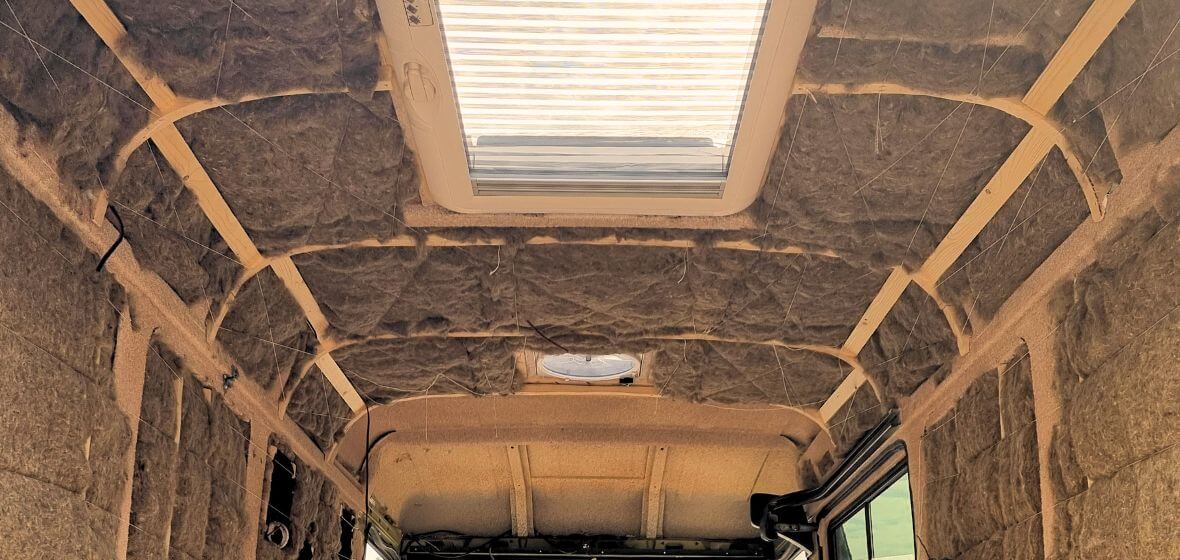
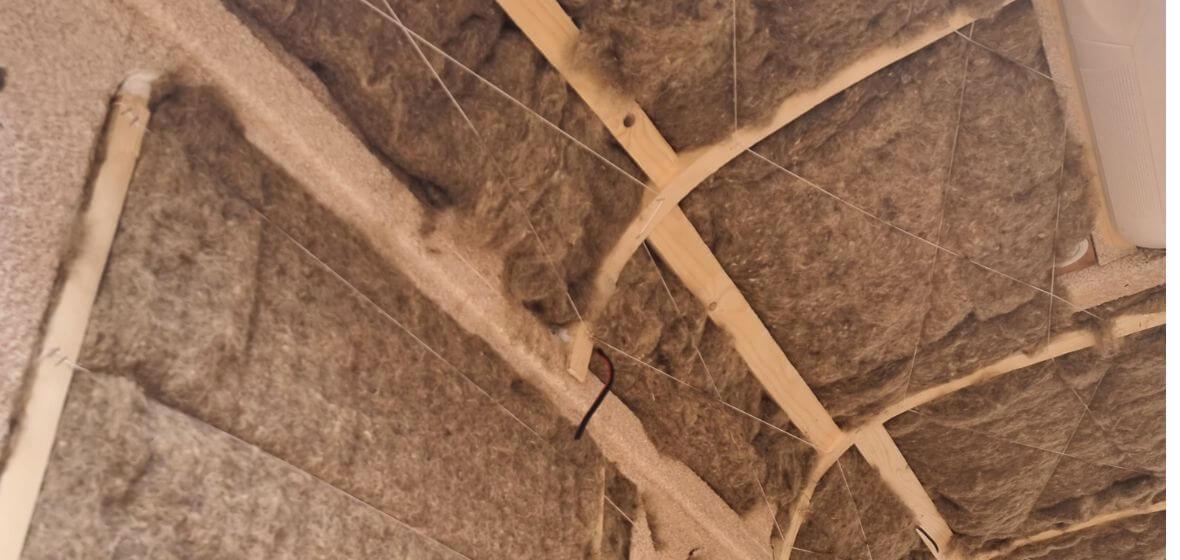
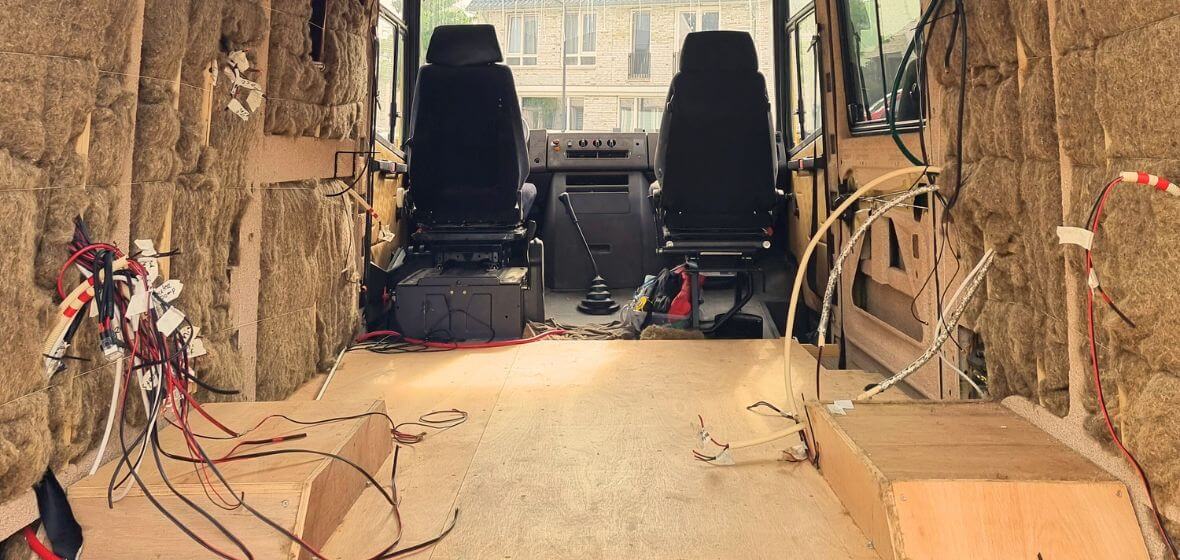
60 mm in the walls and 30 mm in the roof, as in the manufacturer's own reference build in a van.
0.033W/(m·K)
Measured λ (λtr) for Ultra +++++, per the data sheet
30kg/m³
Ultra +++++, the densest insulation in the range
1.8kg/m²
Weight at 60 mm
μ 1
Vapour-open, per the EPD
Where the wool goes in the van
Walls
Ultra +++++ · 60 mm
The densest grade, 30 kg/m³, as in the manufacturer's reference build.
Roof
Ultra +++++ · 30 mm
Thinner, where headroom counts.
Beams and cavities
Loose wool
In open profiles with drainage. Closed profiles are left empty.
Interior lining
Byeco Acoustic Felt · 9 mm
Visible felt instead of a board.
The products
What you need
Price and stock come straight from the shop. Buy a pallet or more and you get price and freight in one quote.
4 products · swipe for more
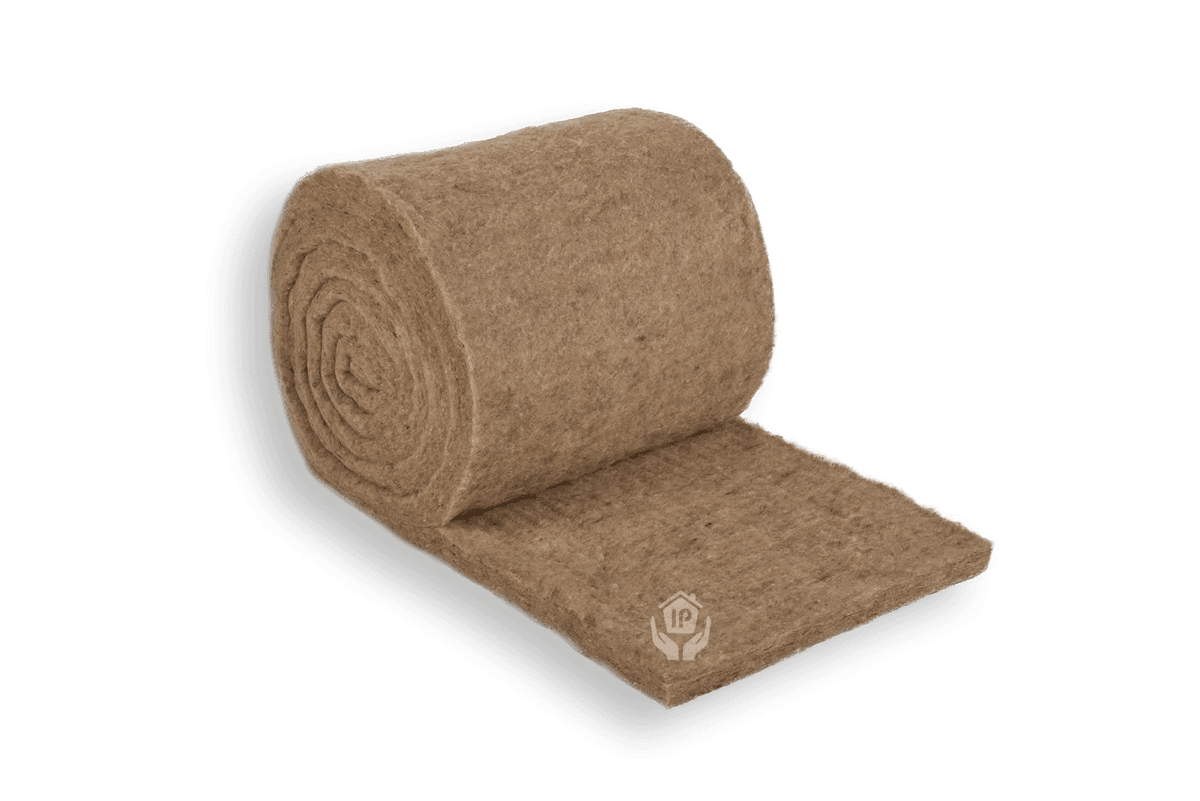
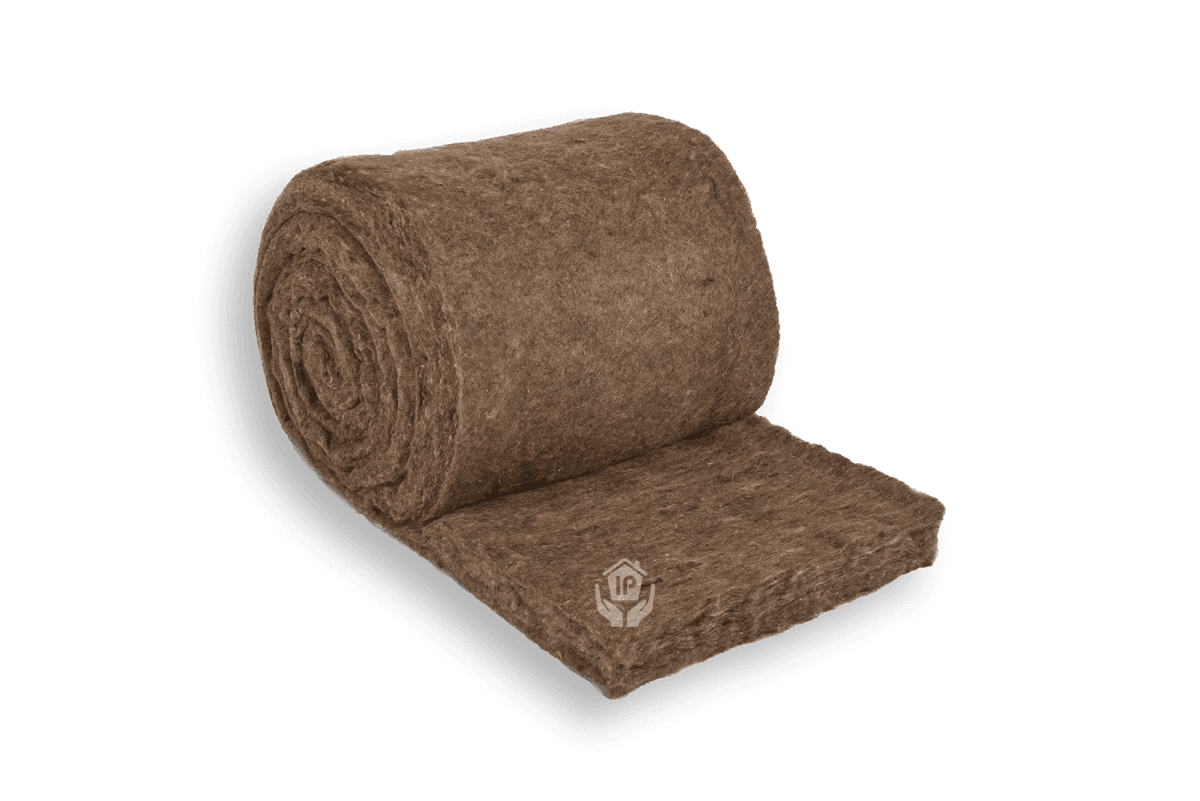
Byeco Ultra +++++
For: Walls 60 mm, roof 30 mm.
- λ, measured
- 0.033 W/(m·K)
- Density
- 30 kg/m³
- Thickness
- 30–80 mm
- Fire class
- D-s2, d0
Sold out online
SEK 185/m² incl. VAT at 50 mm
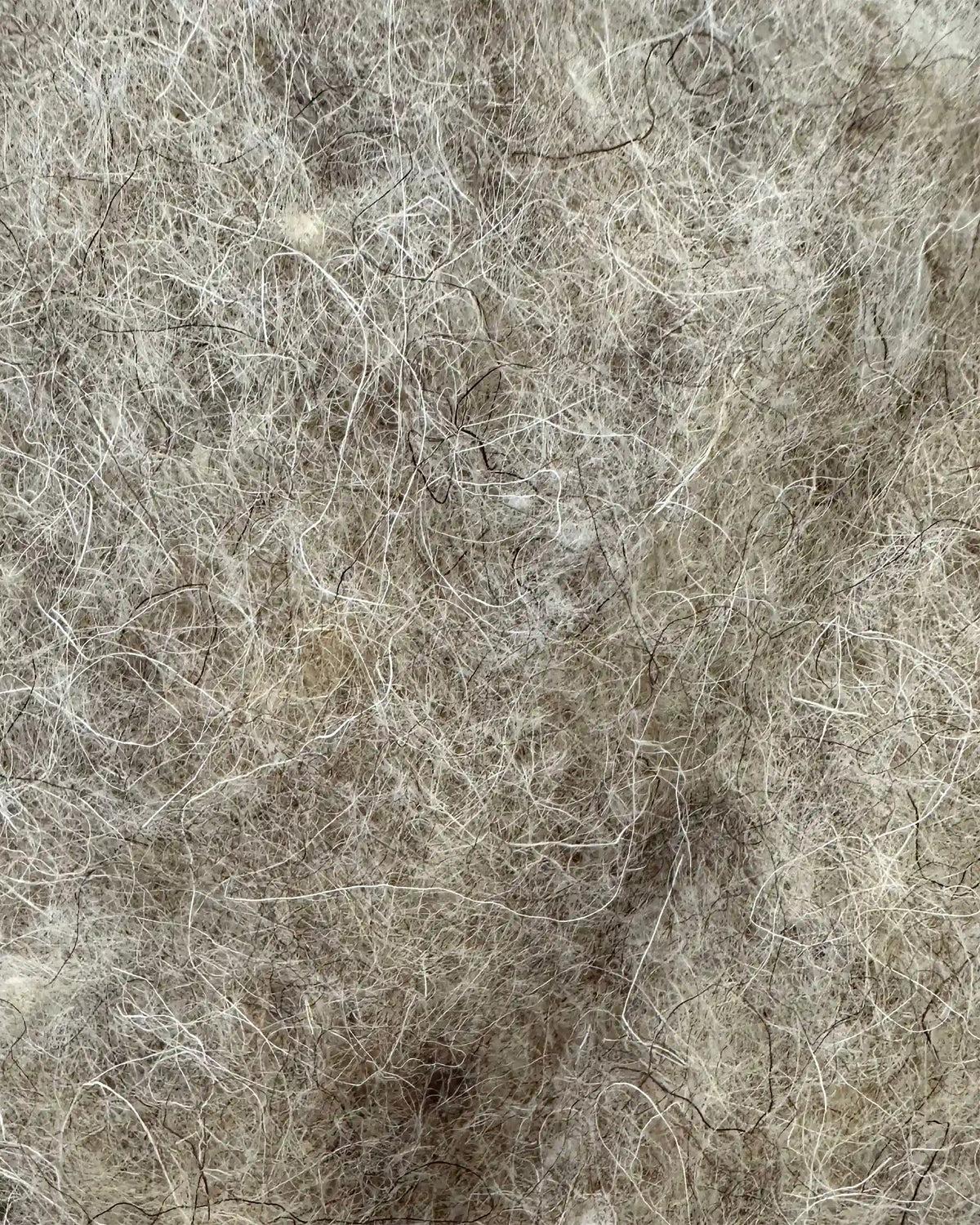
Byeco Standard ++
For: Lighter option, 50 mm weighs 0.9 kg/m².
- λ
- 0.037 W/(m·K)
- Density
- 18 kg/m³
- Thickness
- 30–140 mm
- Fire class
- D-s2, d0
In stock50, 100 mm
fromSEK 1,995per pack incl. VAT
SEK 1,596 excl. VAT
Byeco Loose Sheep Wool
For: Beams and cavities.
Loose sheep wool in a sack. Stuffed by hand into gaps, cavities and around pipes.
In stock5 kg per sack
SEK 955per pack incl. VAT
SEK 764 excl. VAT

Byeco Acoustic Felt
For: Visible interior lining.
- Density
- 100 kg/m³
- Thickness
- 9 mm
- Fire class
- C-s2, d0
Four rules for fitting
Straight onto the metal
No vapour barrier and no air gap between wool and metal.
Keep drain holes clear
Only fill profiles with drainage or an air path.
Wiring first
Use insulated cables and enclosed joints where the wool touches. Wool can tarnish bare copper.
Ventilate
Active ventilation when you cook and sleep.
Good to know before you buy
- A vehicle is not a building. D-s2, d0 to EN 13501-1 is a construction product classification; check what applies to your vehicle class. Byeco holds no test results to ECE R118.
- Sheep wool is heavier than thin rubber foam: 60 mm Ultra +++++ weighs about 1.8 kg/m². Standard ++ at 50 mm weighs 0.9 kg/m².
- Byeco does not market sheep wool as rust protection. The metal is protected by letting moisture out: clear drain holes and ventilation.
The material
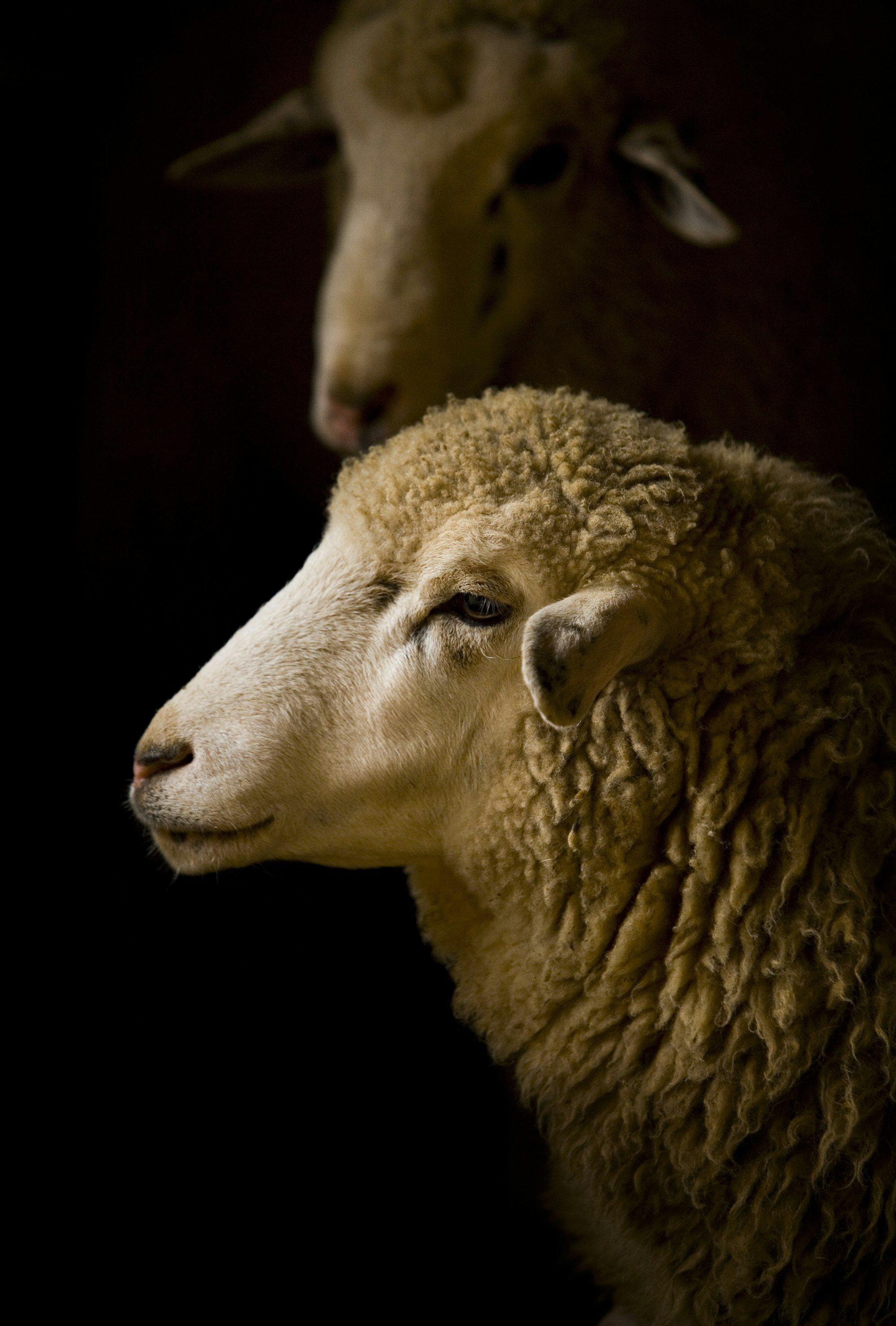
From sheep kept for milk and cheese.
According to the manufacturer's Environmental Product Declaration for the insulation and the wool felt, the wool is reject wool from sheep kept for milk and cheese. Most of it comes from Austria, Spain, Germany, the Netherlands and France. ISOLENA processes it in Austria; we stock it in Sweden.
Questions and answers
Questions about campervans
Can you insulate a campervan with sheep wool?
Yes. Sheep wool is laid straight onto the metal in the walls and roof and stuffed into open cavities. The manufacturer's own reference build used the densest grade, 30 kg/m³, with 60 mm in the walls and 30 mm in the roof. Byeco Ultra +++++ is the densest insulation in the range, 30 kg/m³.
Do you need a vapour barrier when insulating a van with sheep wool?
No. Byeco and the manufacturer recommend wool straight onto the metal without a vapour barrier and without an air gap. Moisture produced inside the van is handled with active ventilation when you cook and sleep, and the drain holes are kept clear.
Will the metal rust behind the sheep wool?
Byeco does not market sheep wool as rust protection. What protects the metal is letting moisture out: clear drain holes, ventilation when you cook and sleep, and no vapour barrier to trap moisture. According to the manufacturer's EPD, the wool can take up to 33 % of its weight in moisture without losing its insulating performance.
How much sheep wool does a van need?
The manufacturer's reference build in an L3H2-size van lists 28.8 m² for the walls (4 packs) and 10.8 m² for the roof (1 pack). That is the quantity bought, not a measured requirement: one roof pack is the minimum purchase. Send the van's model and length and Byeco will work out the quantity.
How thick should campervan insulation be?
The manufacturer's own reference build used 60 mm in the walls and 30 mm in the roof, thinner in the roof where headroom counts. Byeco does not calculate an R-value for Ultra +++++ from the data sheet's measured λtr of 0.033 W/(m·K).
Which fire class applies to insulation in a motorhome?
Byeco's sheep wool is classified D-s2, d0 to EN 13501-1, a classification for construction products. Vehicles follow other rules depending on vehicle class, and Byeco holds no test results to ECE R118. Check the requirements for your vehicle before you build.
More applications
Houses
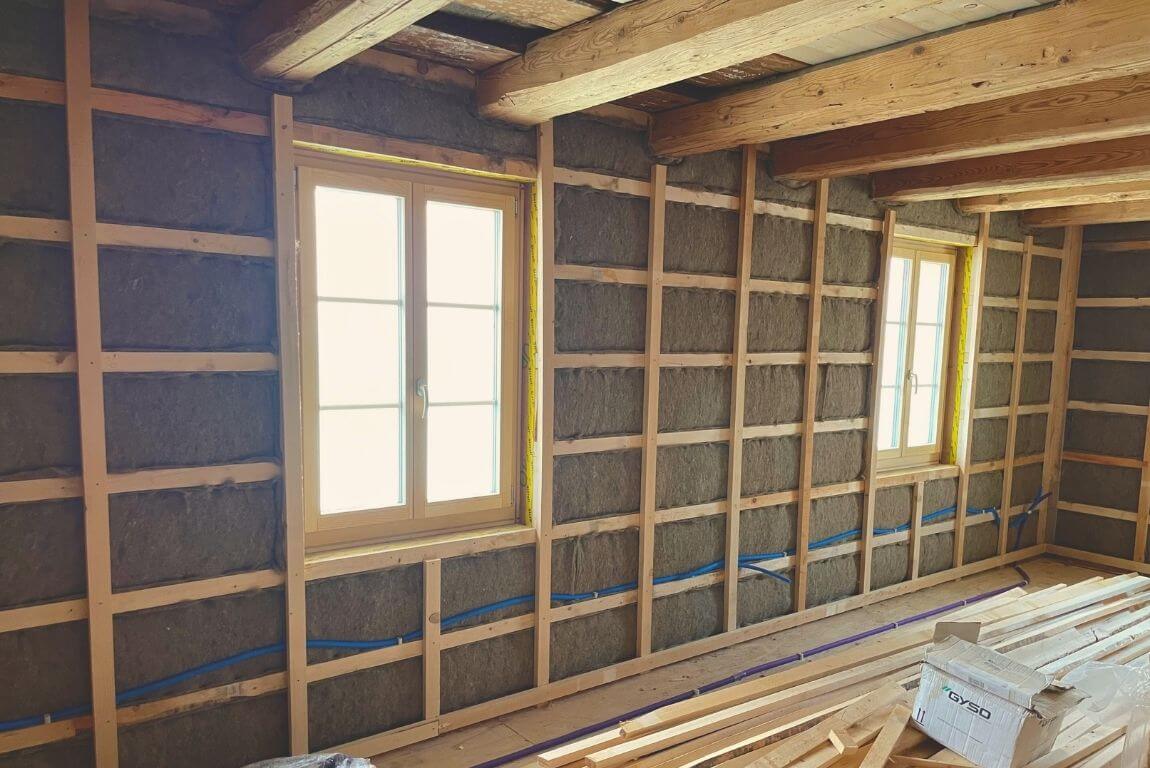
Lofts, external walls and floors, in new builds and renovations.
See the products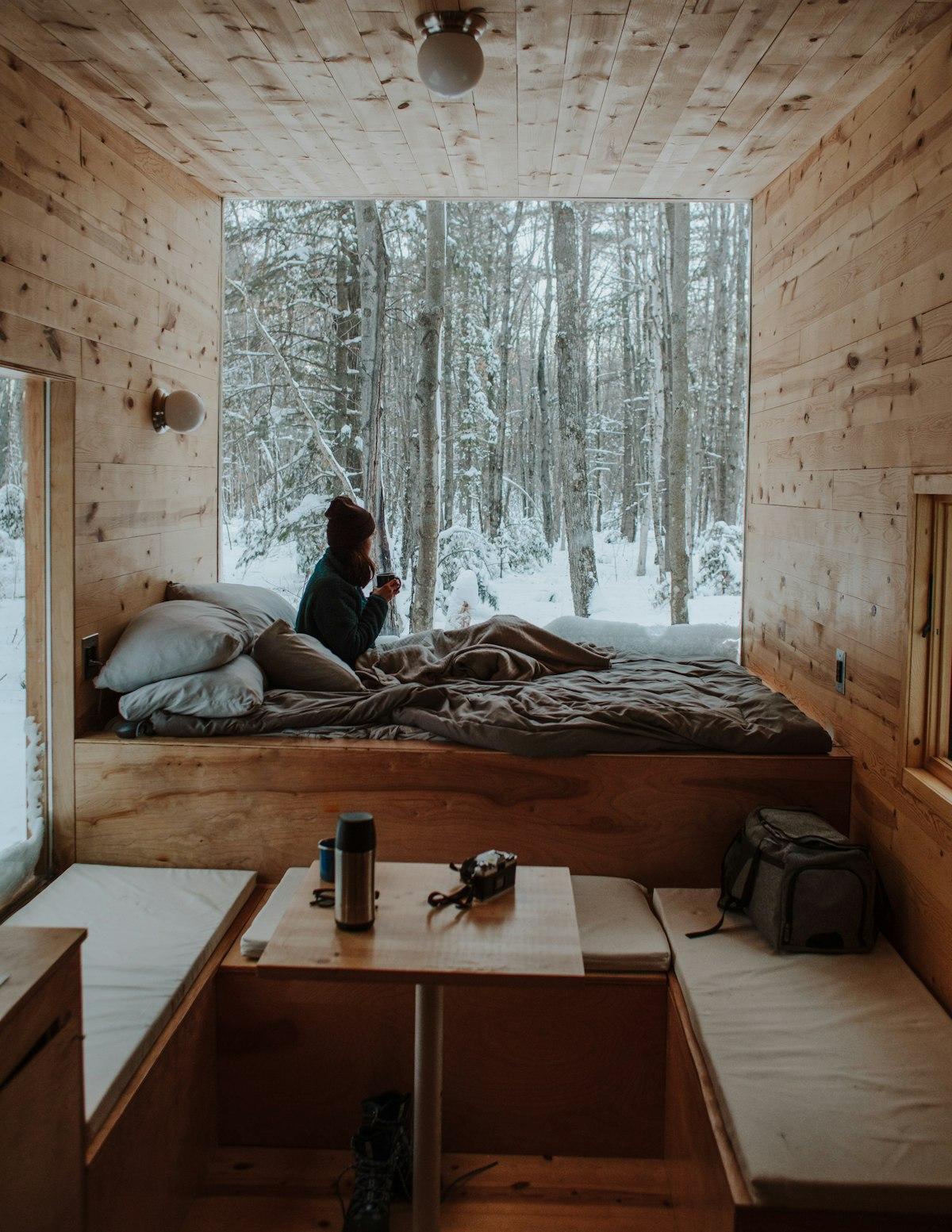
Cabins and summer houses
The cabin, the annexe and the garden room, one pack at a time.
See the products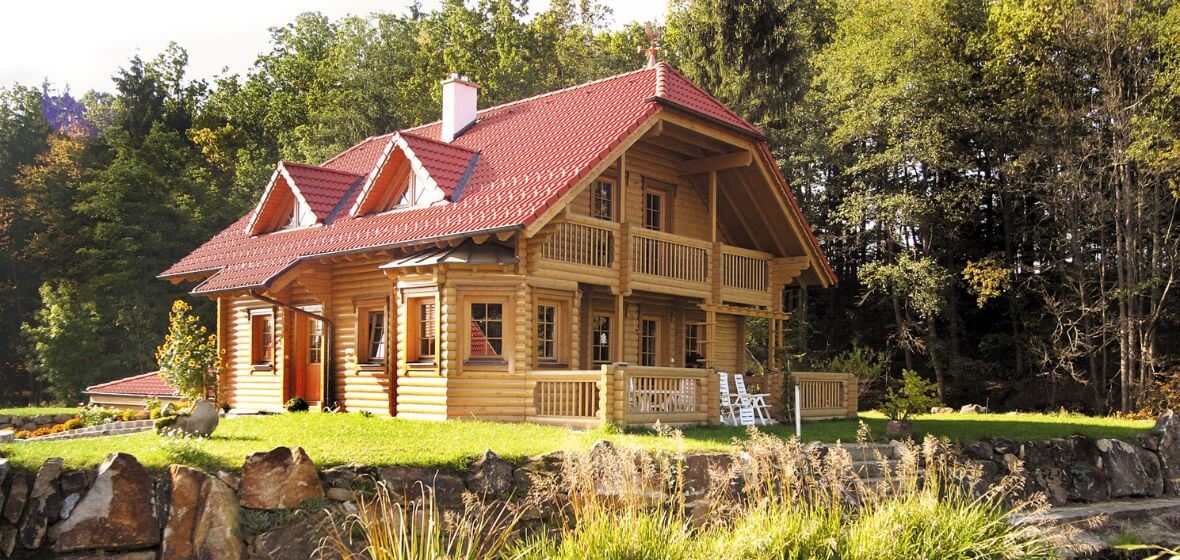
Log houses and chinking
Chinking bands, filler, loose wool and insulation for log house builders.
See the products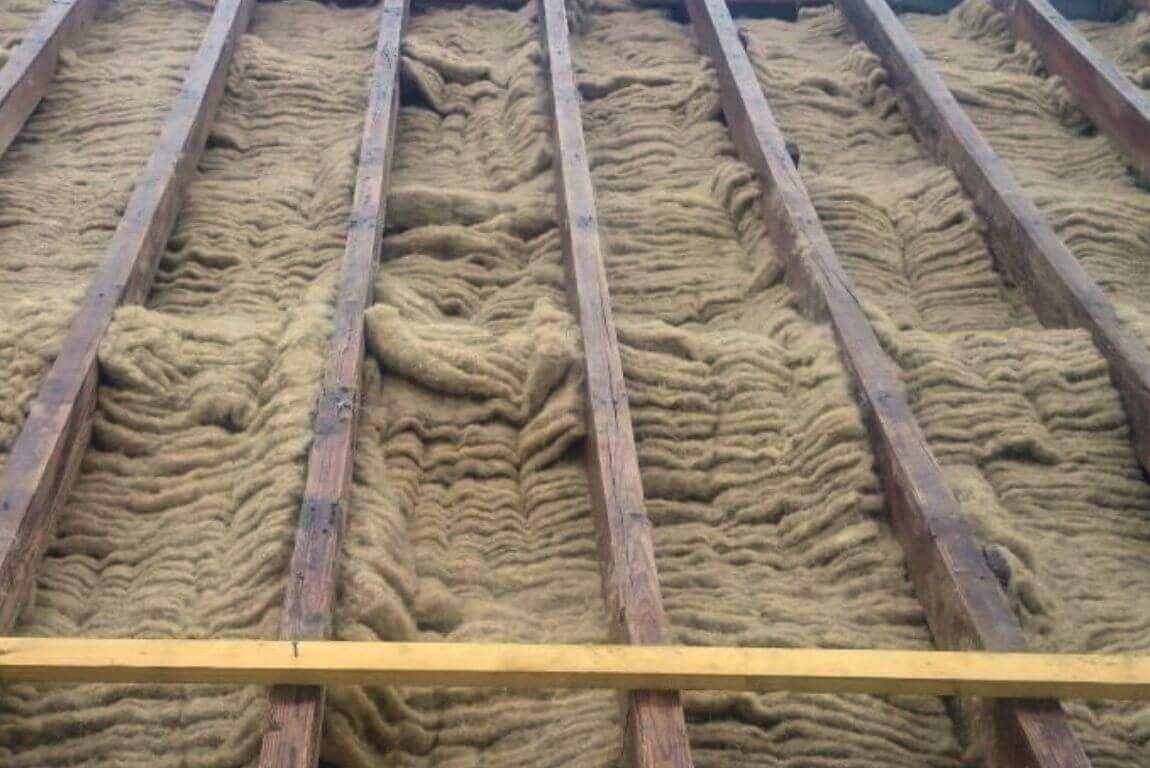
Renovating older buildings
Added insulation in timber houses built without plastic sheeting.
See the productsAcoustics and sound insulation
Partitions, studios, home cinemas and impact sound under floors.
See the products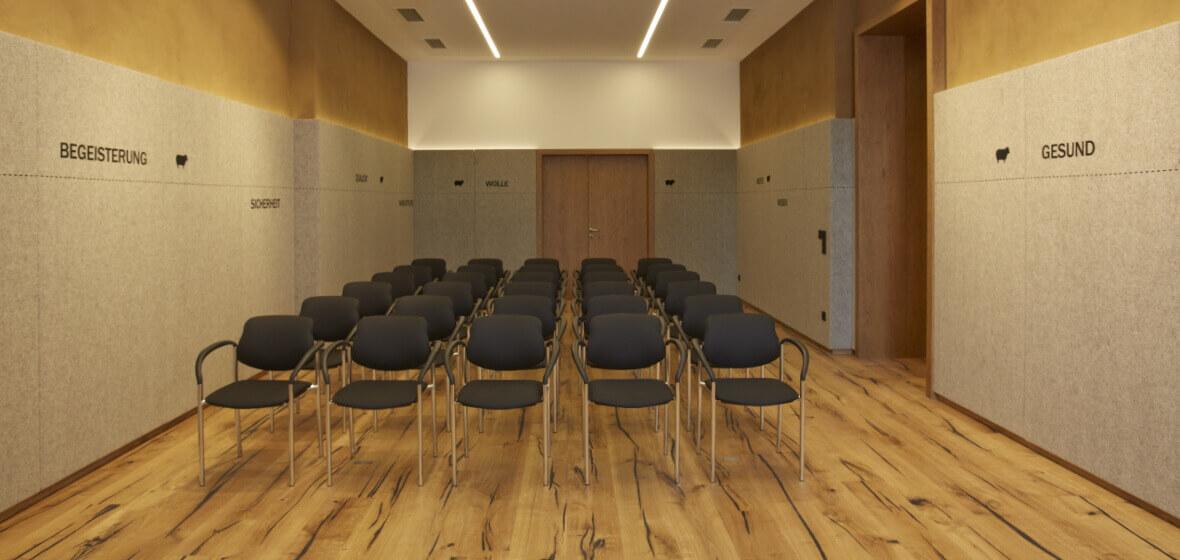
Impact sound and floors
Underlay beneath the timber floor and wool in the joists.
See the products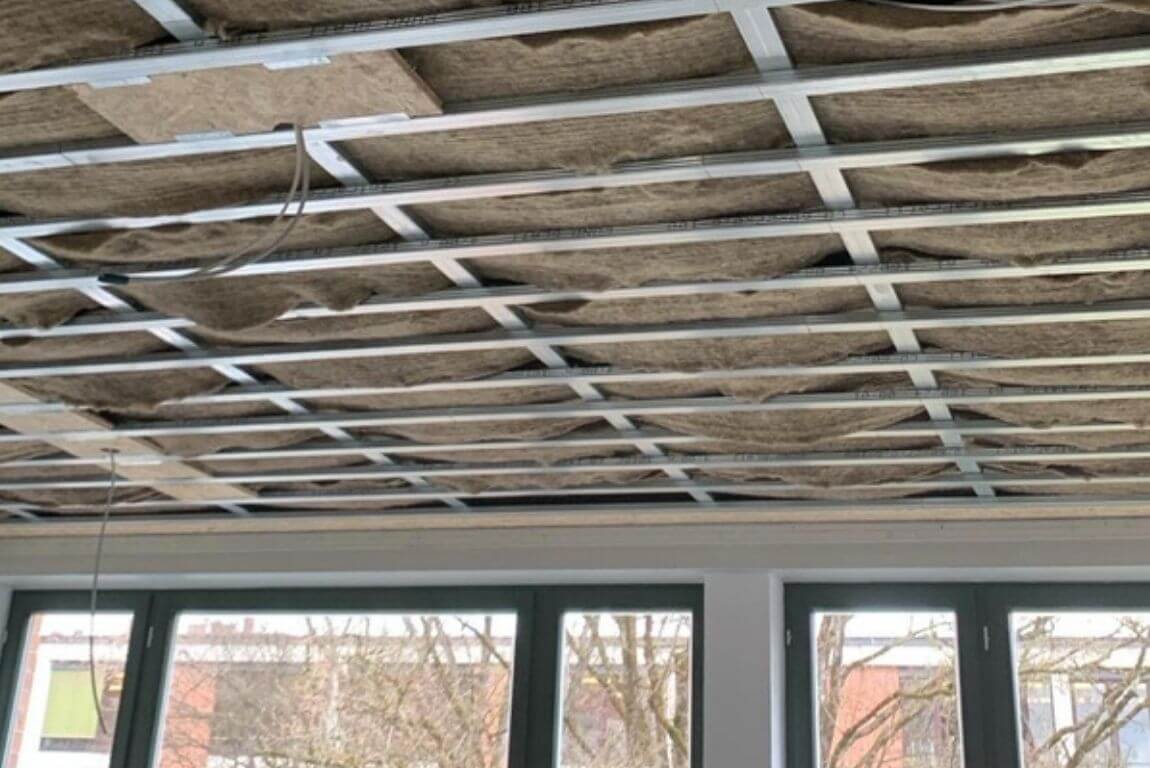
Offices, schools and other premises
Wool behind the plasterboard in the envelope and the partitions.
See the products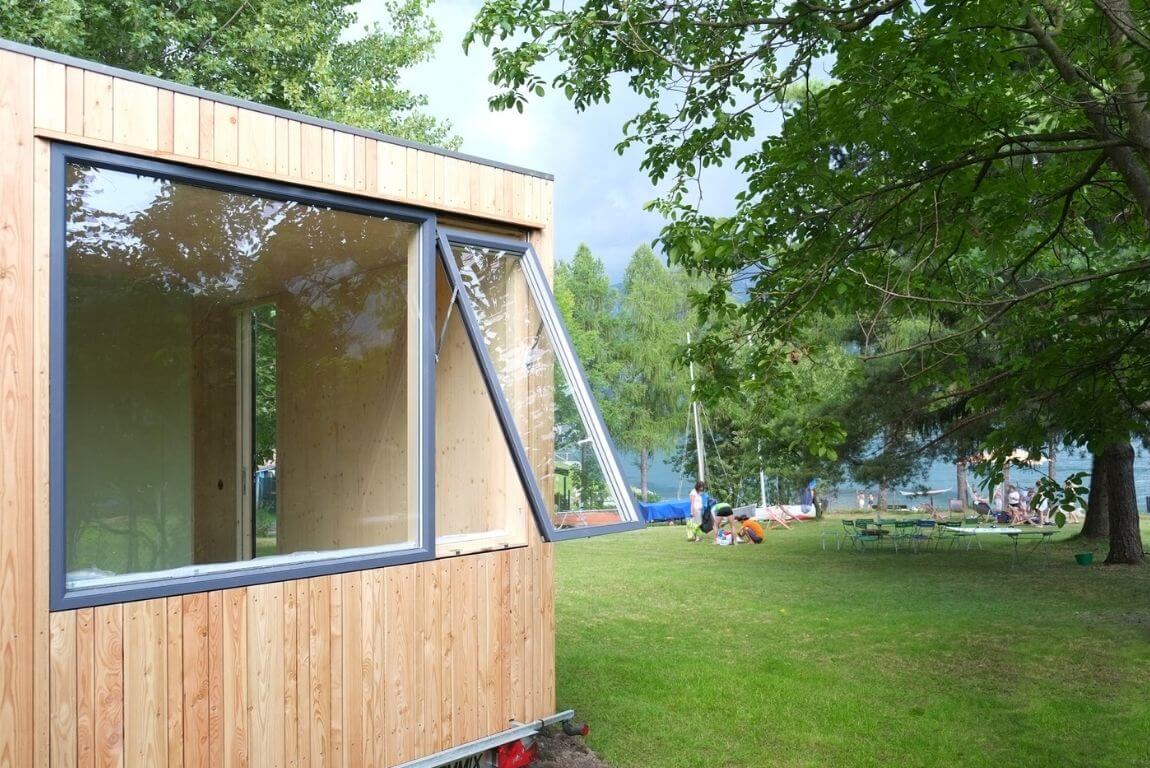
Tiny houses
Thin walls and weight that counts, on wheels or a foundation.
See the products
Consultation
Talk wool with us.
Thirty minutes on your project, the requirements and what we can supply.