Applications · Houses
Sheep wool for the house, from the loft to the walls.
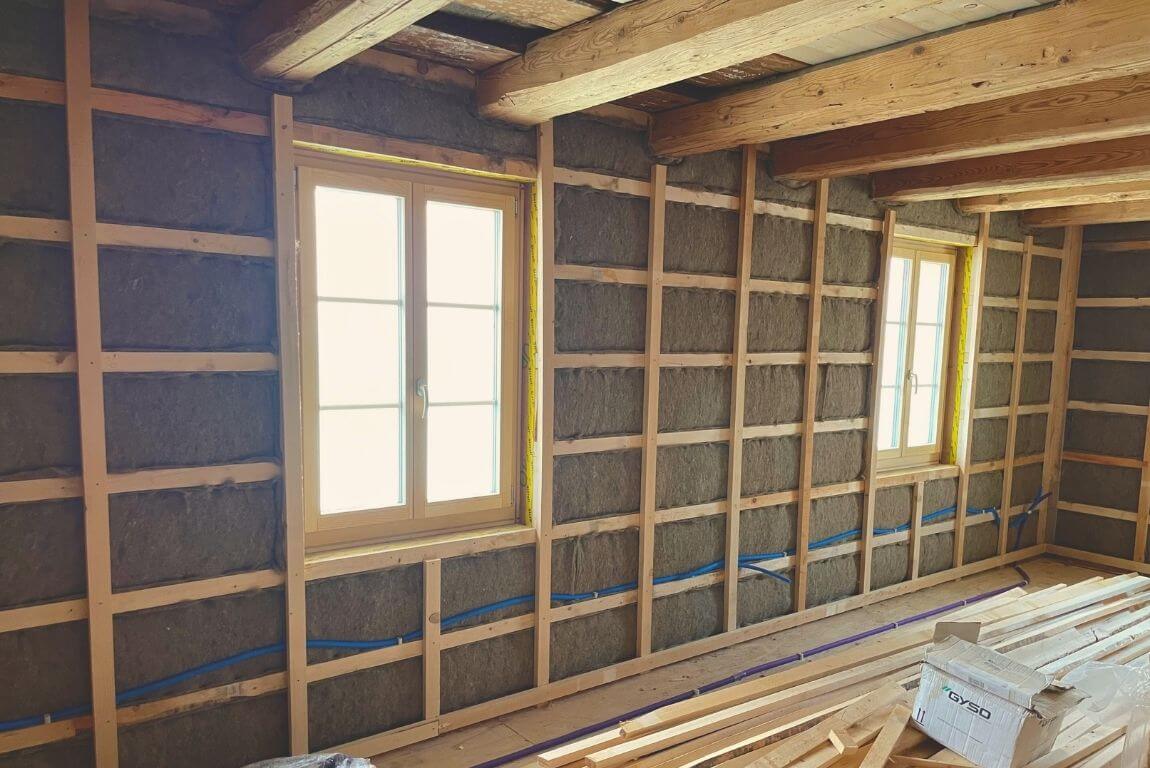
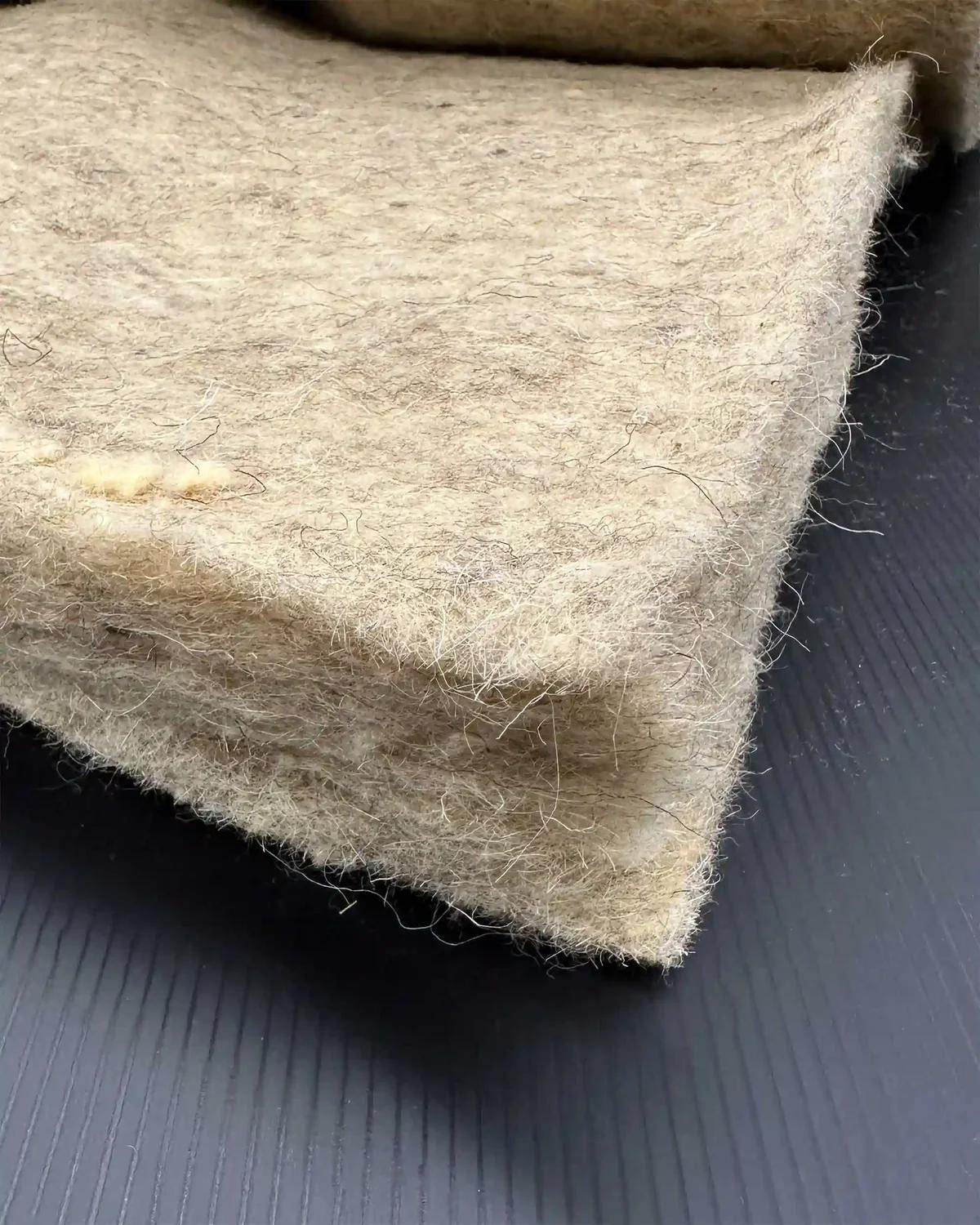
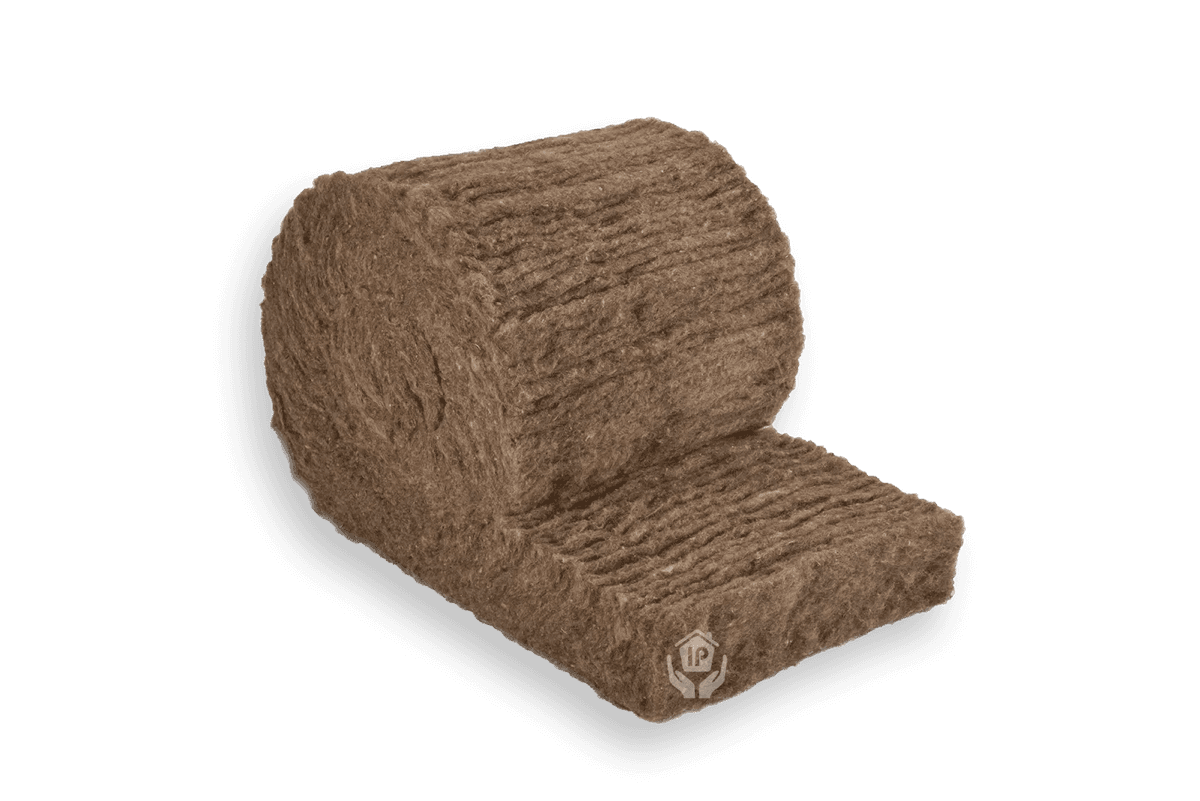
Rolls at 18 and 20 kg/m³ for lofts, external walls and floors, in new builds and older timber houses alike.
0.034–0.037W/(m·K)
λD for Plus +++ and Standard ++, per the data sheets
300mm
Thickest per layer, for lofts and roofs
μ 1
Vapour-open, per the EPD
33 %
Moisture it can take up, as a share of its weight, per the manufacturer's EPD
Where the wool goes in the house
Loft floor
Plus +++ · 150–300 mm
Rolled out between and over the joists, in one or more layers.
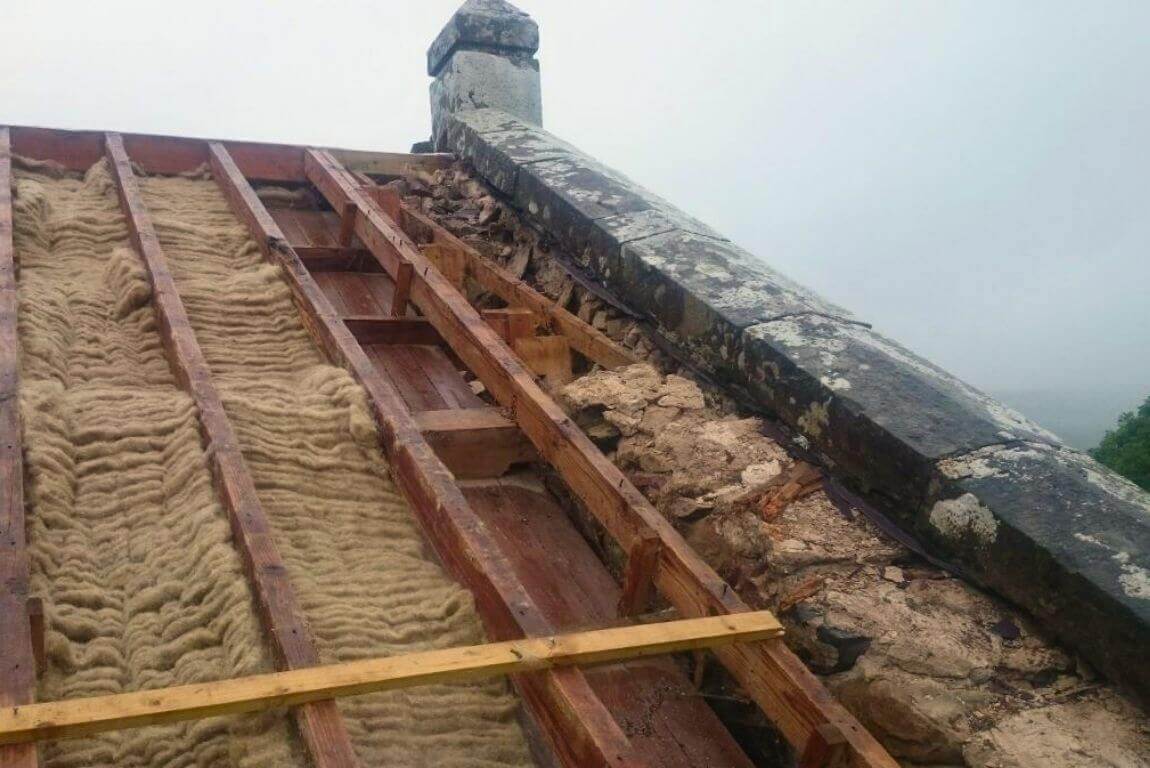
Pitched roofs and rafters
Standard ++ · Plus +++
Between the rafters, cut slightly oversize for a tight fit.
External walls
Standard ++ · 30–140 mm
Between the studs. From 150 mm, Plus +++ takes over.
Intermediate floors and partitions
Standard ++
Dampens airborne sound between rooms and storeys.
The products
What you need
Price and stock come straight from the shop. Buy a pallet or more and you get price and freight in one quote.
3 products · swipe for more
SEK 706/m² incl. VAT at 150 mm
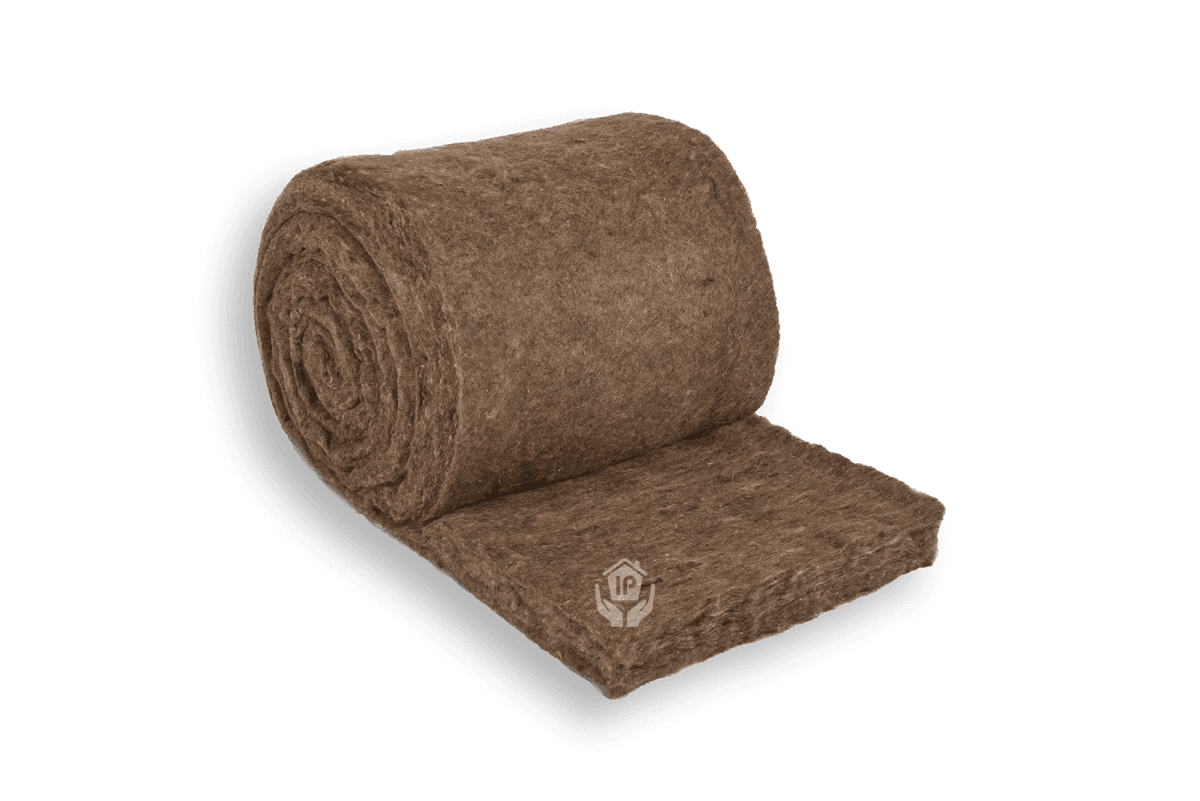
Byeco Plus +++
For: The loft and thick walls.
- λ
- 0.034 W/(m·K)
- Density
- 20 kg/m³
- Thickness
- 150–300 mm
- Fire class
- D-s2, d0
In stock150, 200, 260 mm
fromSEK 2,415per pack incl. VAT
SEK 1,932 excl. VAT
SEK 185/m² incl. VAT at 50 mm
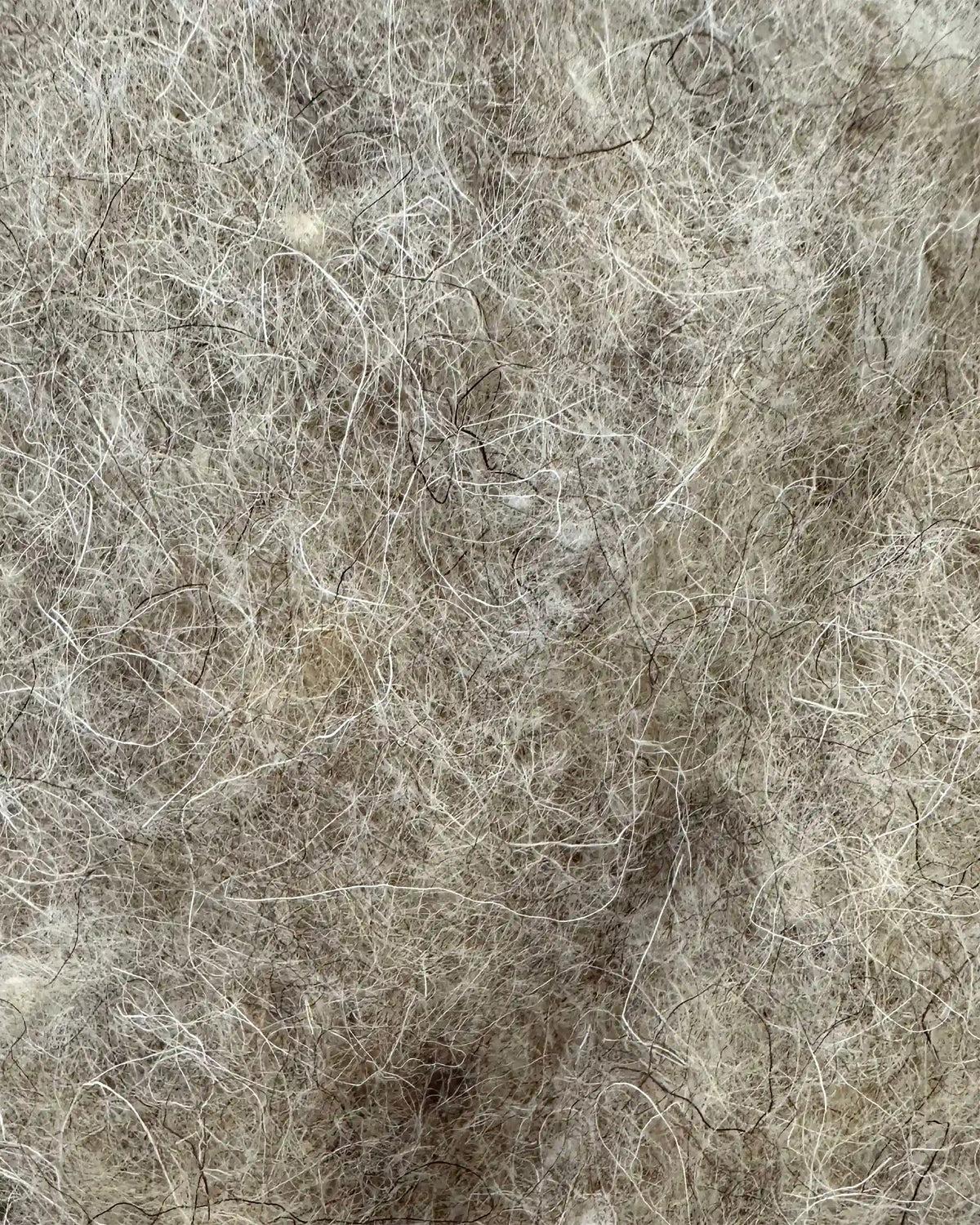
Byeco Standard ++
For: Walls, pitched roofs and floors.
- λ
- 0.037 W/(m·K)
- Density
- 18 kg/m³
- Thickness
- 30–140 mm
- Fire class
- D-s2, d0
In stock50, 100 mm
fromSEK 1,995per pack incl. VAT
SEK 1,596 excl. VAT
Byeco Loose Sheep Wool
For: Gaps around pipes, windows and penetrations.
Loose sheep wool in a sack. Stuffed by hand into gaps, cavities and around pipes.
In stock5 kg per sack
SEK 955per pack incl. VAT
SEK 764 excl. VAT
How it's done
Measure or send the drawing
Send the drawing, or the area and thickness for each part of the house, and we'll work out how much you need.
Cut slightly oversize
A sharp knife will do. A little extra width gives the batt a tight fit against the studs.
Fit
Per the manufacturer's EPD, you need neither protective clothing nor a dust mask. Shorter fibres can come loose at cut edges.
Seal the gaps
Stuff loose wool around pipes and frames. Choose the wind barrier and vapour control layer to suit the wall build-up.
Good to know before you buy
- The insulation is classified D-s2, d0 to EN 13501-1 under the test conditions and is fitted behind a lining.
- The construction decides whether the wall needs a vapour control layer, not the insulation.
- The wool is treated against moths (Ionic Protect®). Byeco makes no claim about mice or other pests.

The material
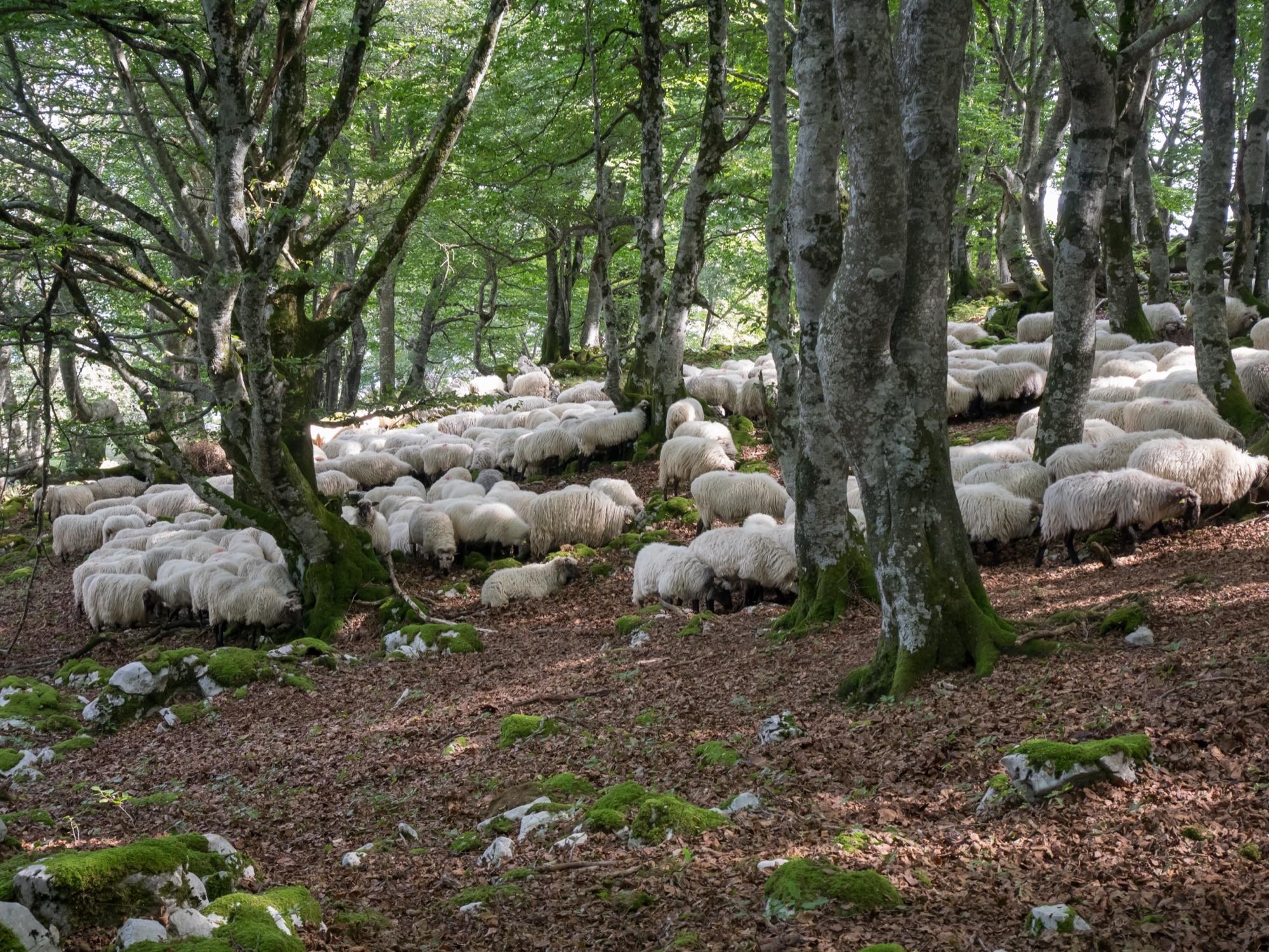
From sheep kept for milk and cheese.
According to the manufacturer's Environmental Product Declaration for the insulation and the wool felt, the wool is reject wool from sheep kept for milk and cheese. Most of it comes from Austria, Spain, Germany, the Netherlands and France. ISOLENA processes it in Austria; we stock it in Sweden.
Questions and answers
Questions about houses
Can you insulate a house with sheep wool?
Yes. Sheep wool is used as insulation in lofts, external walls, pitched roofs and floors in timber houses. Byeco's rolls have λD 0.034–0.037 W/(m·K) per the data sheets and come in 30 to 300 mm. The insulation is classified D-s2, d0 to EN 13501-1 under the test conditions and is fitted behind a lining such as plasterboard or panelling.
How thick should sheep wool insulation in the loft be?
How thick the loft insulation needs to be depends on the required U-value and the construction. Byeco Plus +++ comes in 150 to 300 mm per layer, and several layers can be laid crosswise on top of each other. Send dimensions or a drawing and Byeco will work out the quantity.
Is sheep wool suitable for an old timber house?
Sheep wool is vapour-open, with a water vapour diffusion resistance factor of μ 1 per the manufacturer's EPD, which is why it is used when renovating older timber houses built without plastic sheeting. The construction, not the insulation, decides whether the wall needs a wind barrier or a vapour control layer, so have a moisture specialist assess the build-up for larger works.
What happens if sheep wool insulation gets damp?
According to the manufacturer's EPD, the wool can take up to 33 % of its own weight in moisture without losing its insulating performance. That is a descriptive statement in the EPD, not a tested limit, and it does not replace a moisture-safe construction.
Where can I buy sheep wool insulation for a house?
Byeco sells sheep wool insulation by the pack in its online shop, with prices including VAT and stock status on every product. For a pallet or more, Byeco quotes with freight to addresses in the Nordics, including Iceland and the Faroe Islands.
More applications
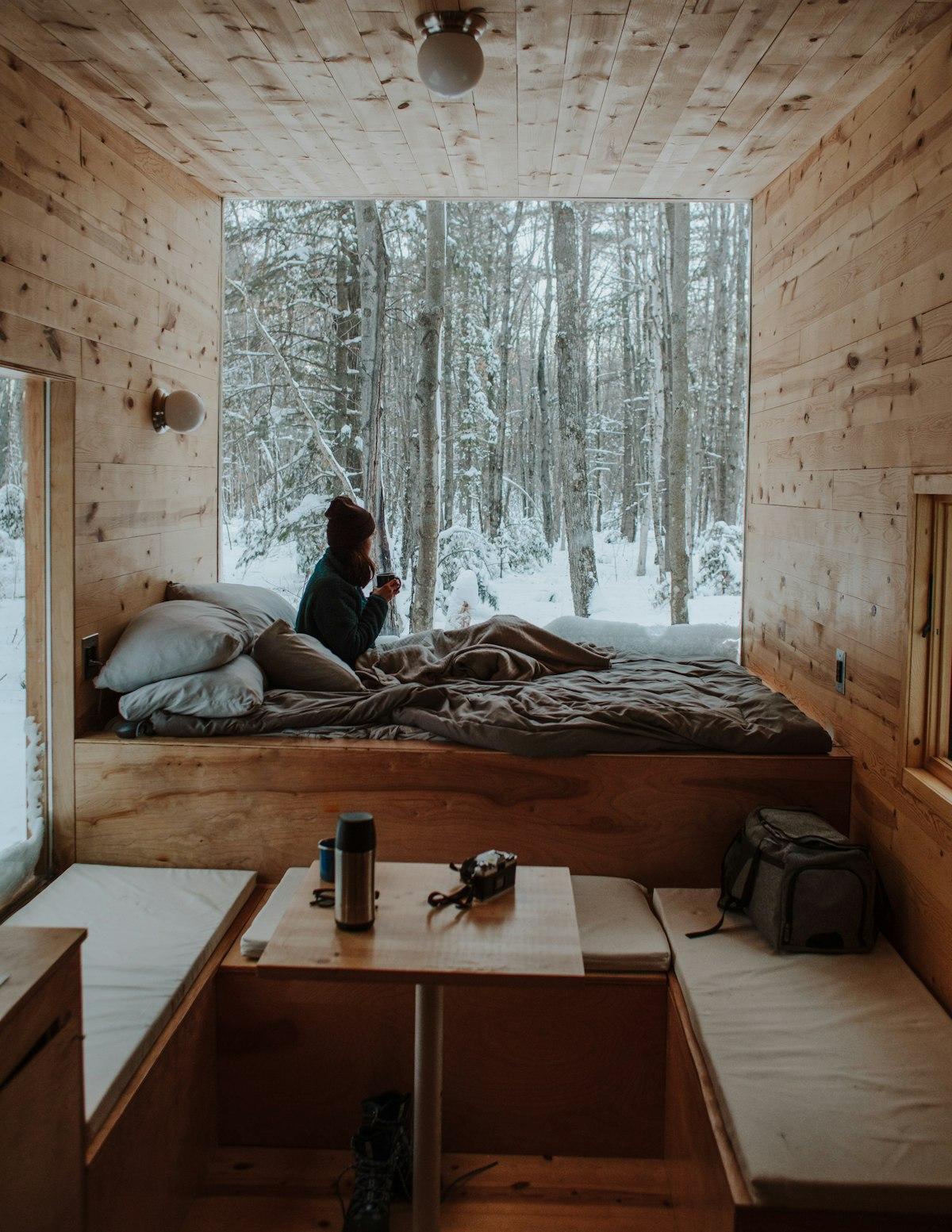
Cabins and summer houses
The cabin, the annexe and the garden room, one pack at a time.
See the products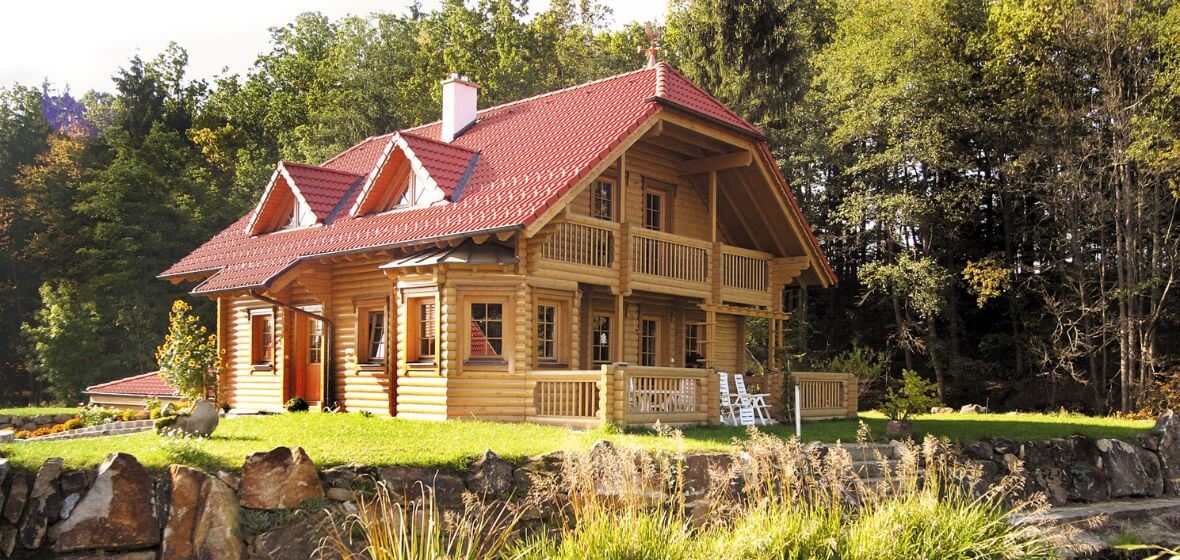
Log houses and chinking
Chinking bands, filler, loose wool and insulation for log house builders.
See the products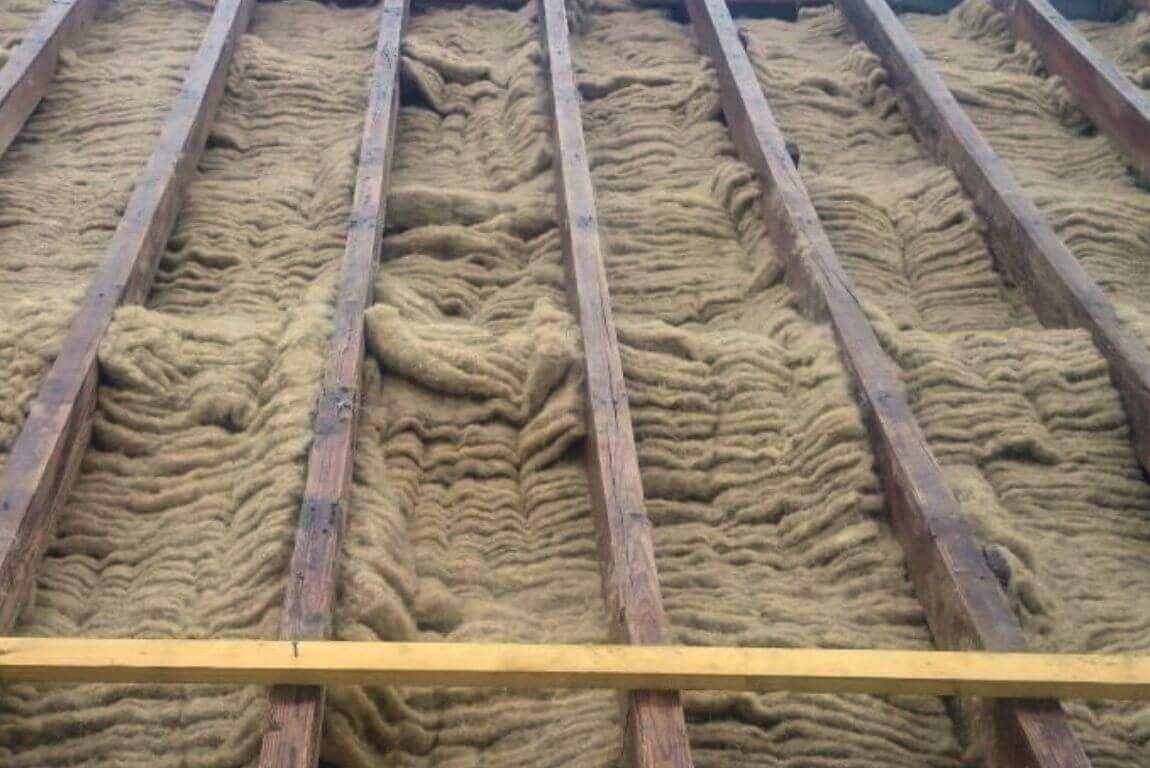
Renovating older buildings
Added insulation in timber houses built without plastic sheeting.
See the products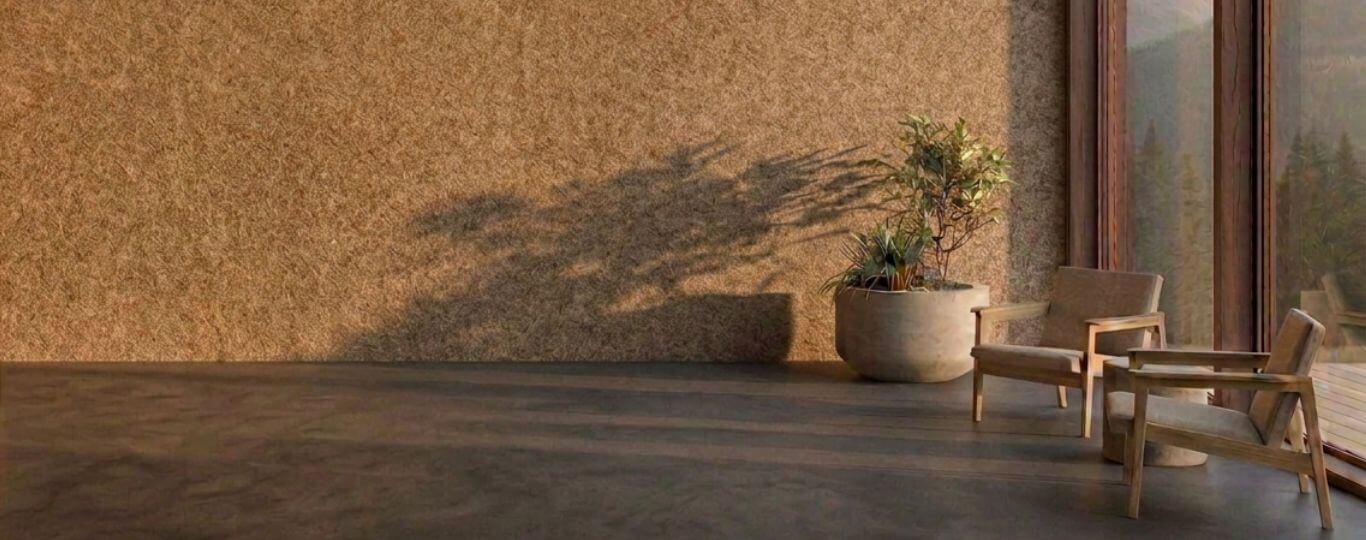
Acoustics and sound insulation
Partitions, studios, home cinemas and impact sound under floors.
See the products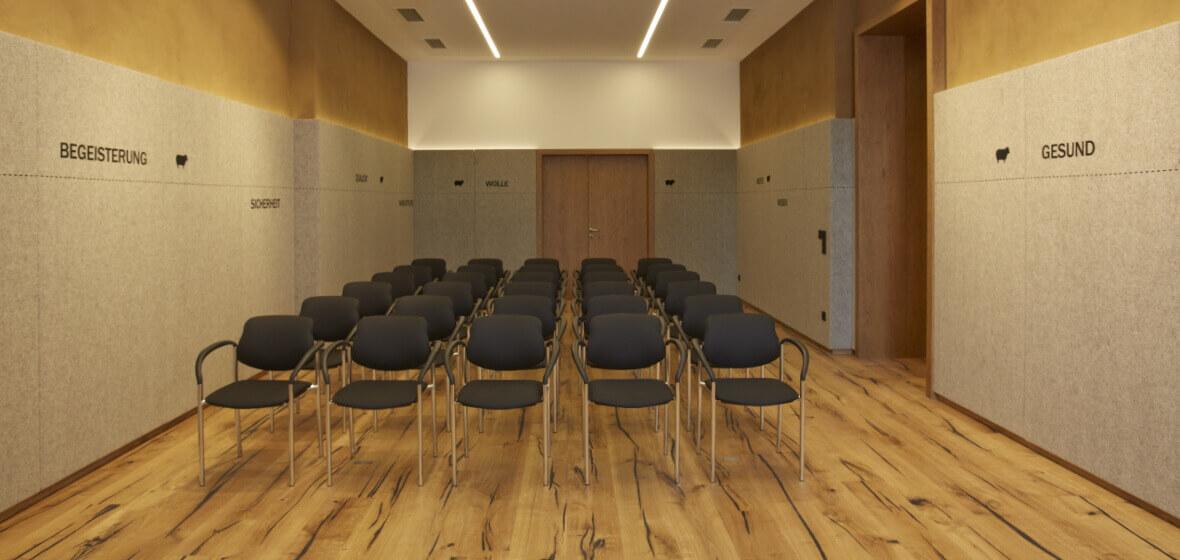
Impact sound and floors
Underlay beneath the timber floor and wool in the joists.
See the products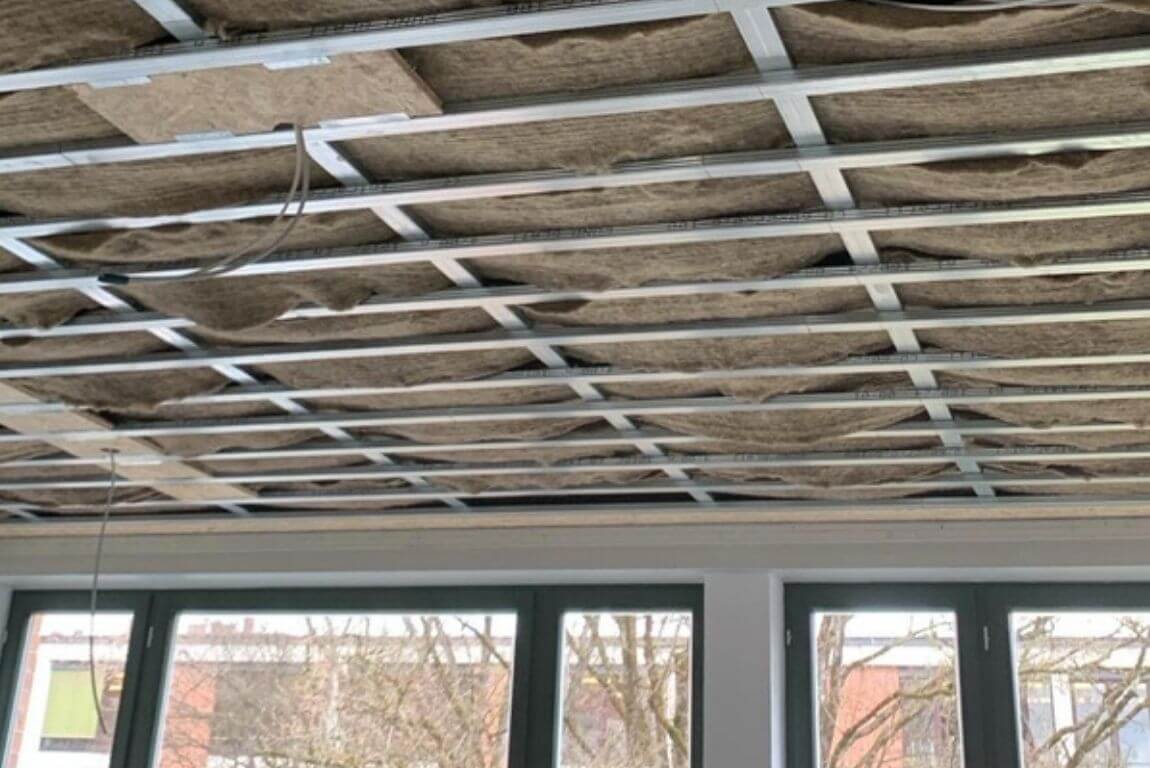
Offices, schools and other premises
Wool behind the plasterboard in the envelope and the partitions.
See the products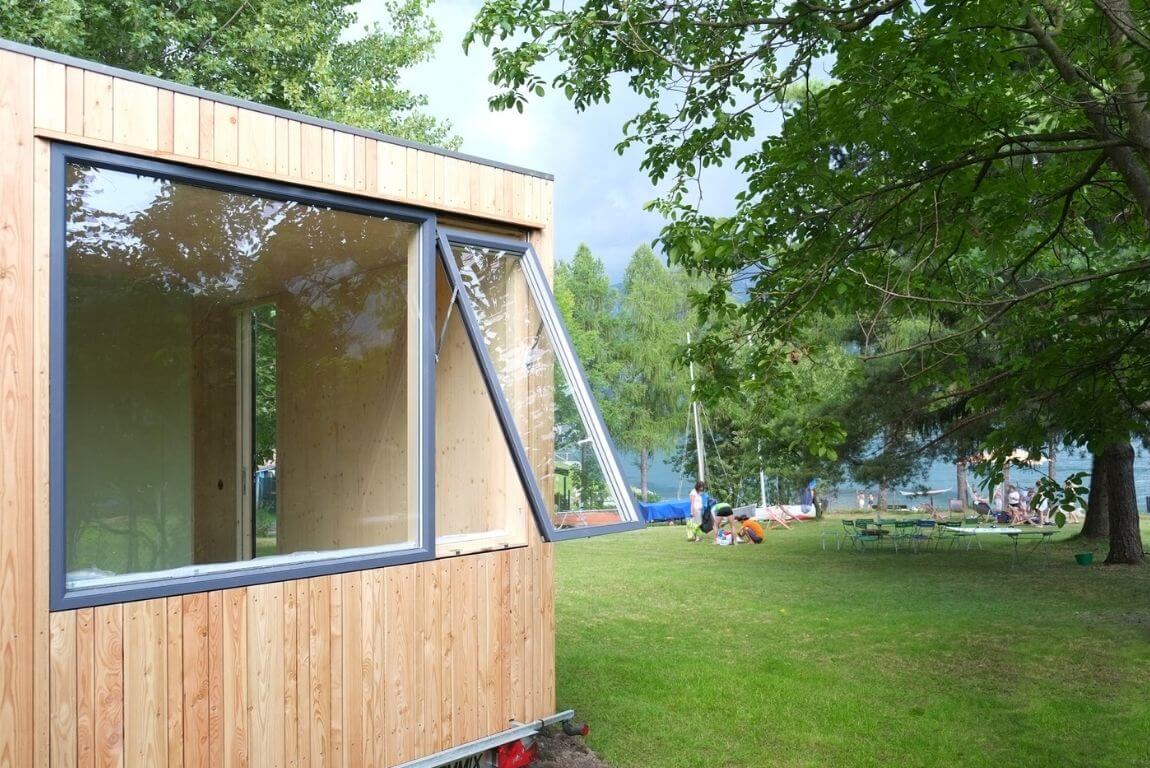
Tiny houses
Thin walls and weight that counts, on wheels or a foundation.
See the products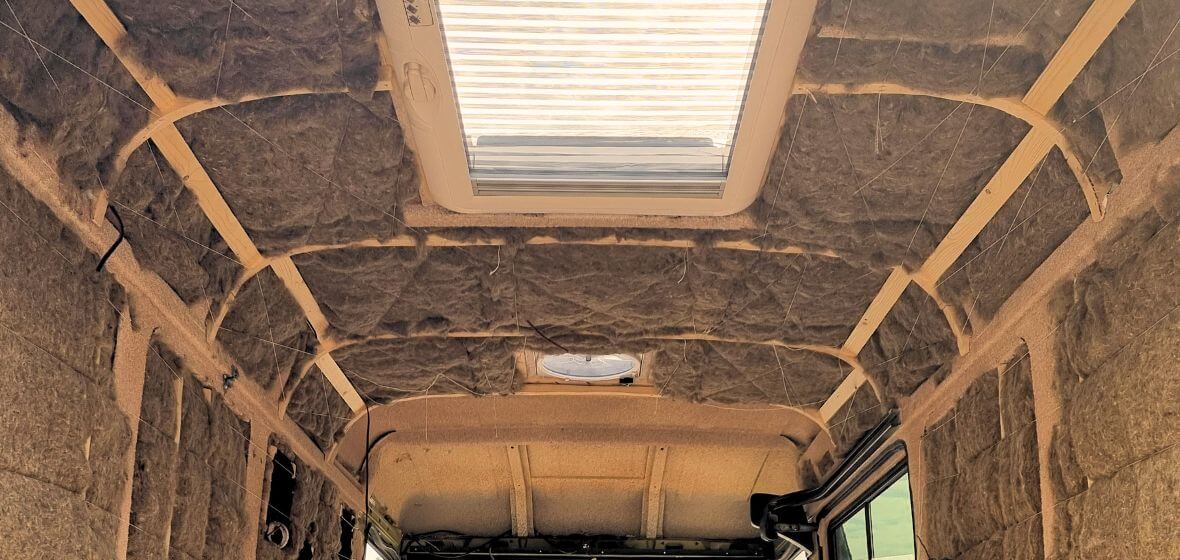
Campervans
Walls and roof in the van, wool straight onto the metal.
See the products
Consultation
Talk wool with us.
Thirty minutes on your project, the requirements and what we can supply.